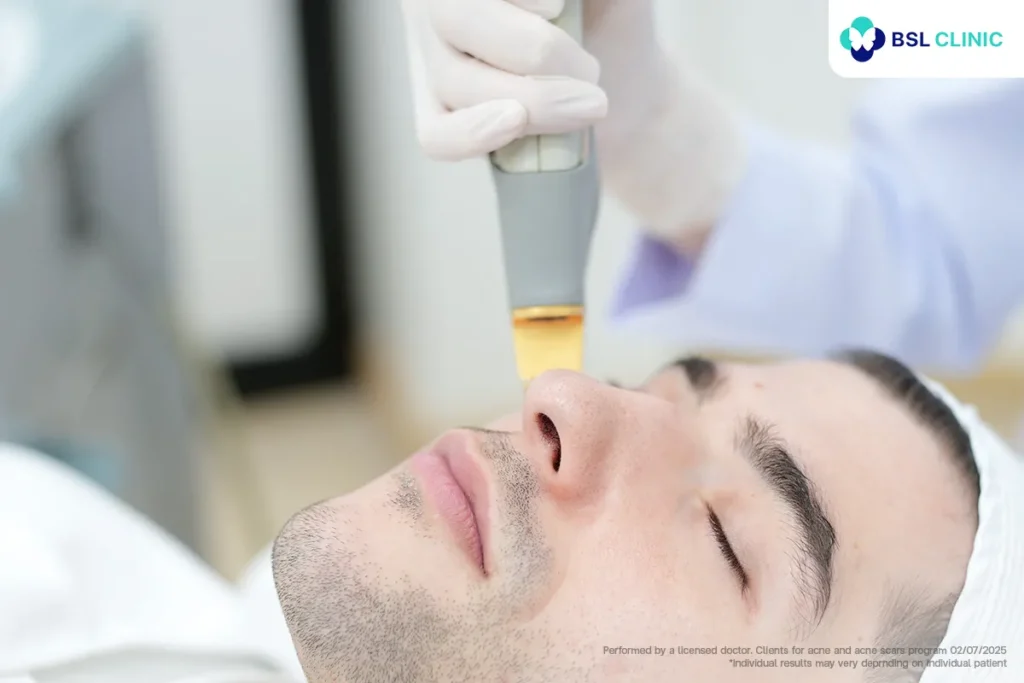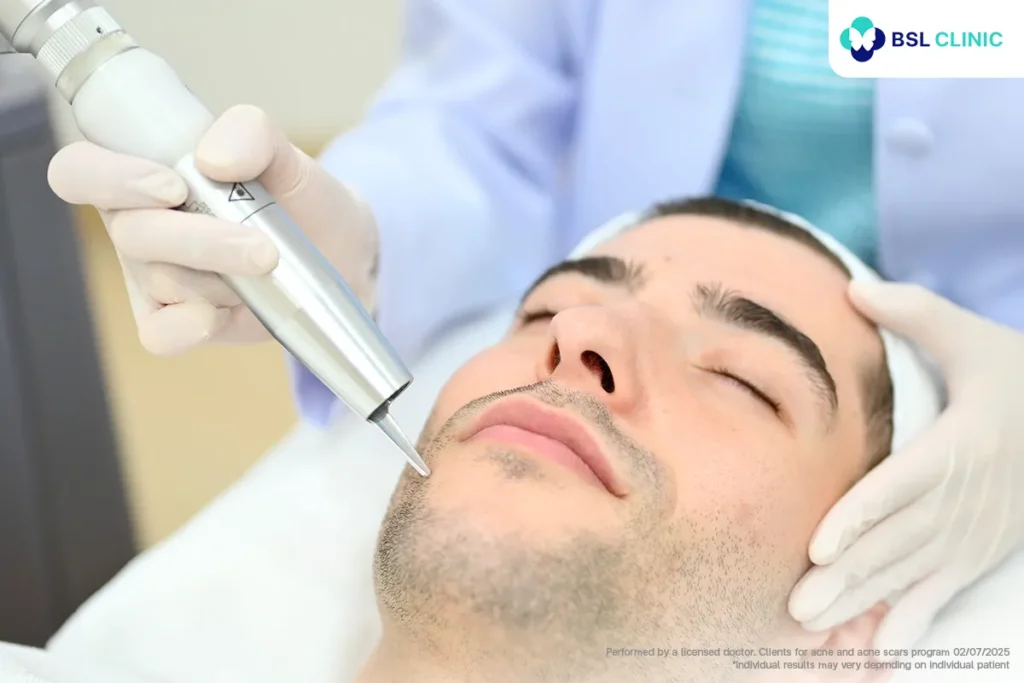

At BSL Clinic, our doctors build your treatment plan around your skin—even if you have only 2–3 weeks in Bangkok, with follow-up continuing from home.
- Acne is more than a breakout. Excess oil, clogged pores, and inflammation can work together.
- The right starting point matters. Identifying what drives your acne helps determine what to address first.

- Acne care goes beyond active breakouts. Post-acne marks and scars require different treatment goals.
- Your skin shapes the treatment plan. Acne type, severity, skin condition, and treatment history guide treatment selection.
- Different treatments have different roles. Each approach targets a specific acne-related concern.
- Acne Treatment for More Than Just Breakouts
- Why Does Acne Keep Coming Back?
- Understanding Different Types Of Acne
- Finding The Right Acne Treatment For Your Skin
- Treating Acne At The Cause: The 4 Factors
- Reducing Excess Sebum Production
- Supporting Skin Renewal & Managing Clogged Pores
- Managing Acne-Related Inflammation
- What to Know Before Acne Treatment
- Your Acne Treatment Journey at BSL Clinic
- Post-Acne: Treating Red Marks & Dark Spots
- Acne Scars: Different Depths, Different Approaches
- Every Skin Has A Story: Acne Care At BSL Clinic
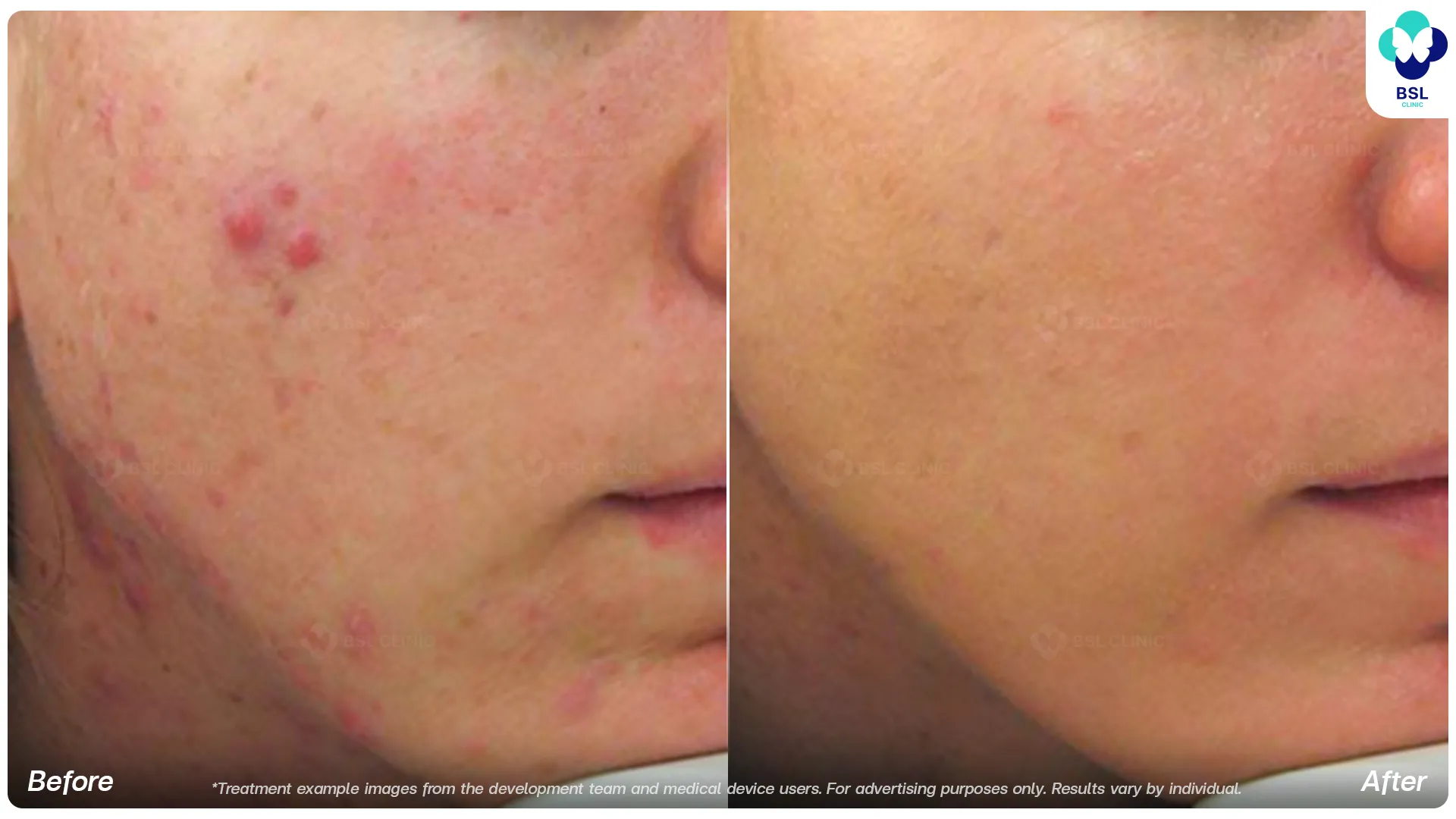
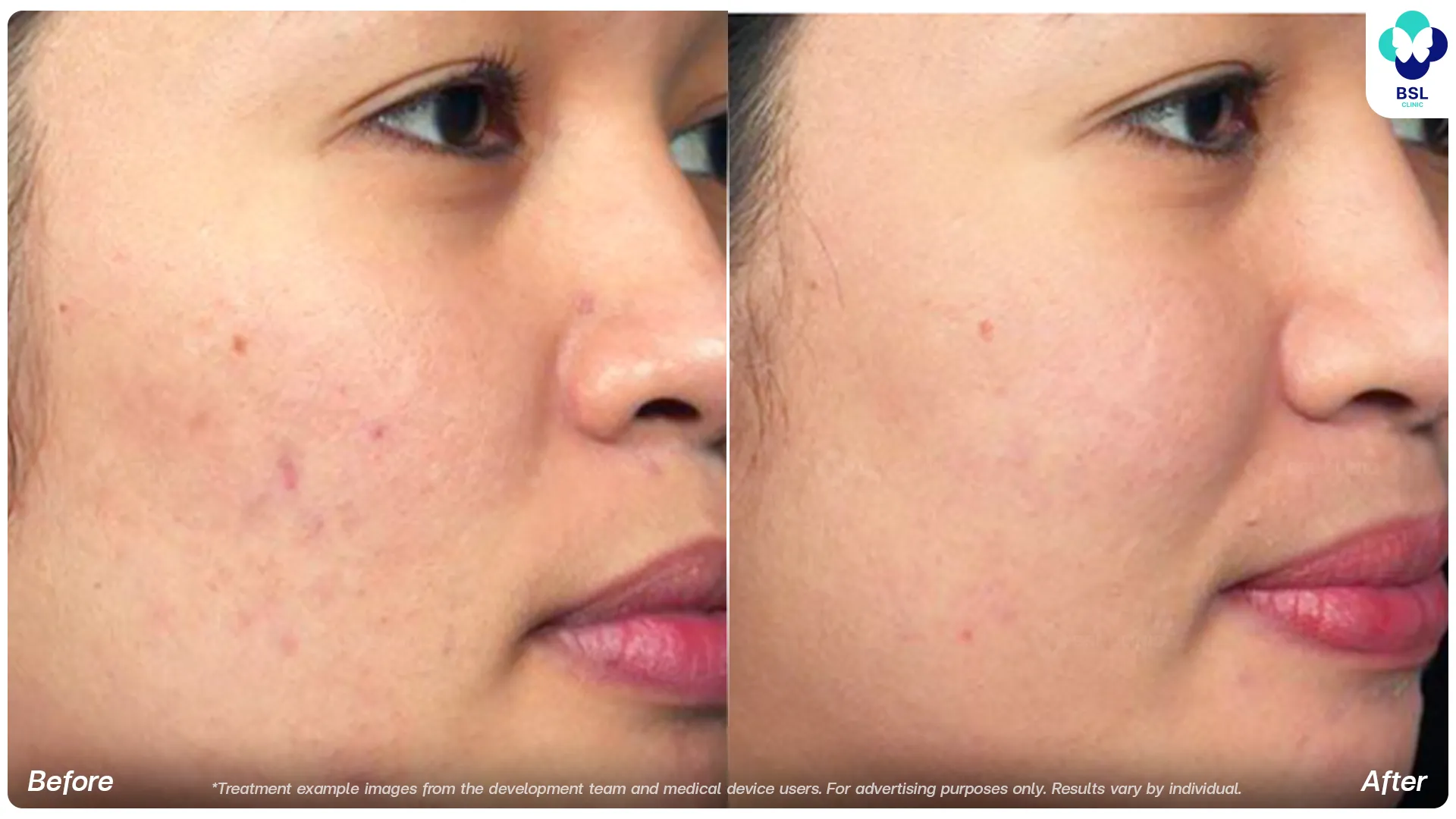
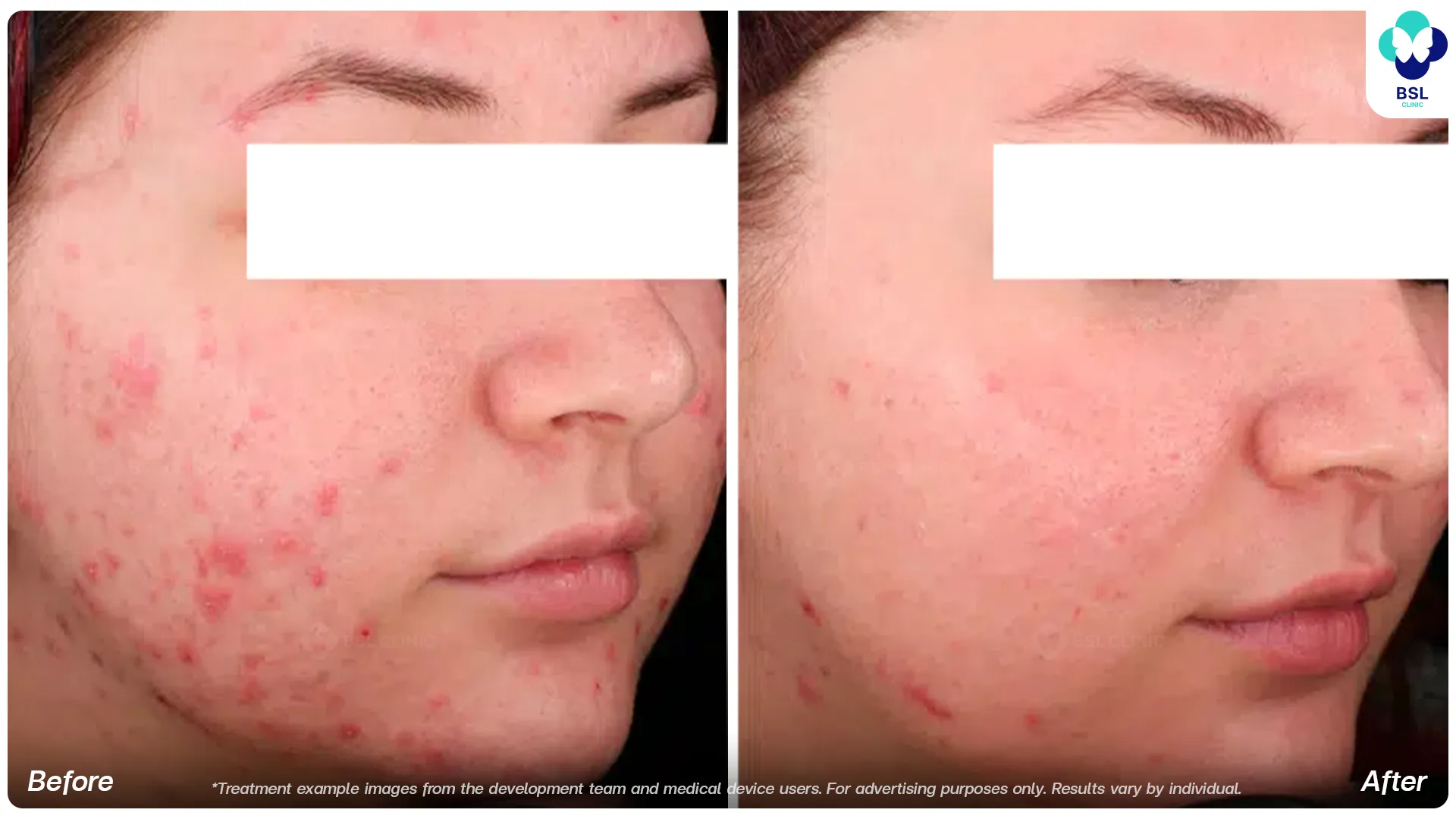
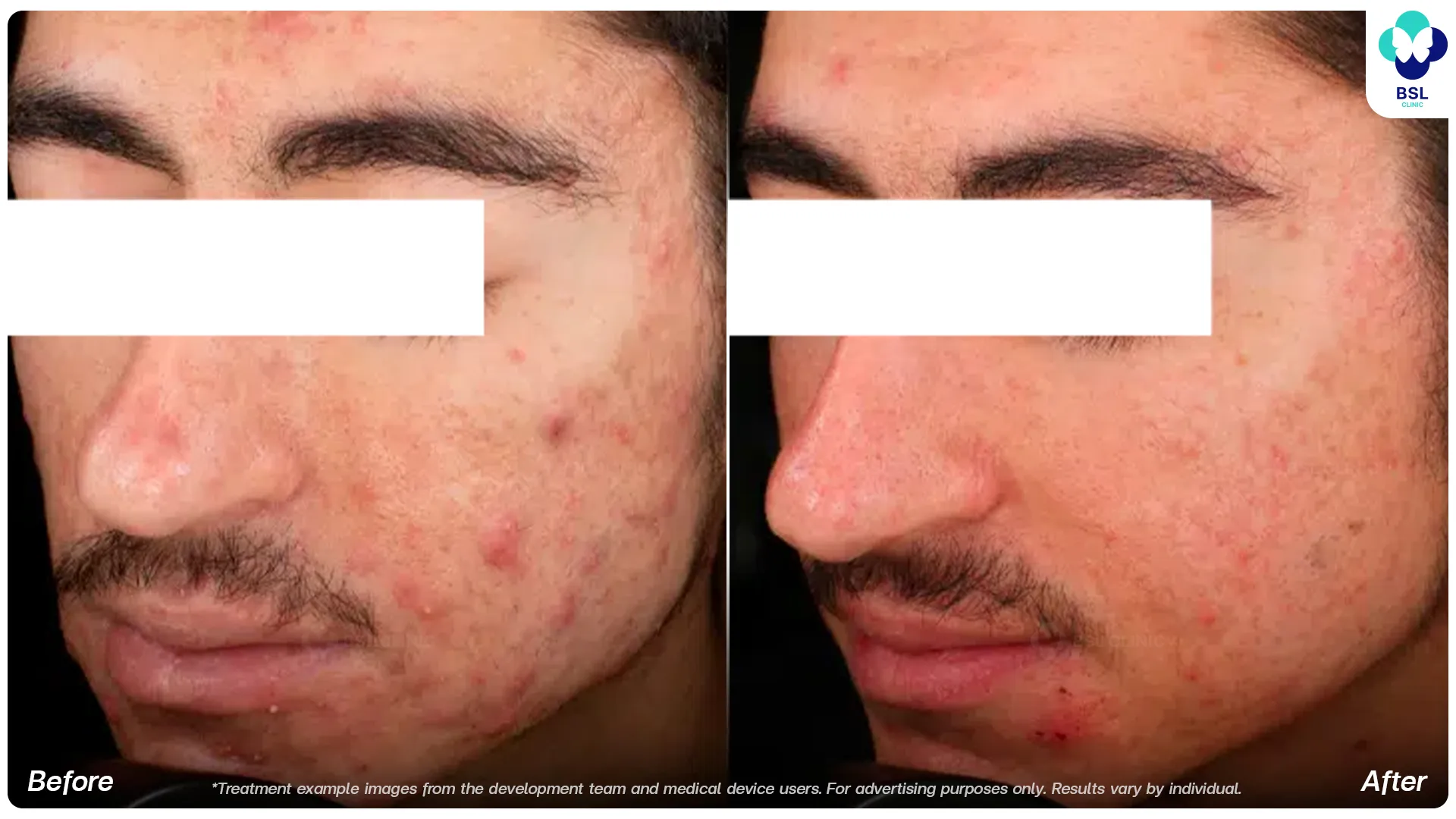
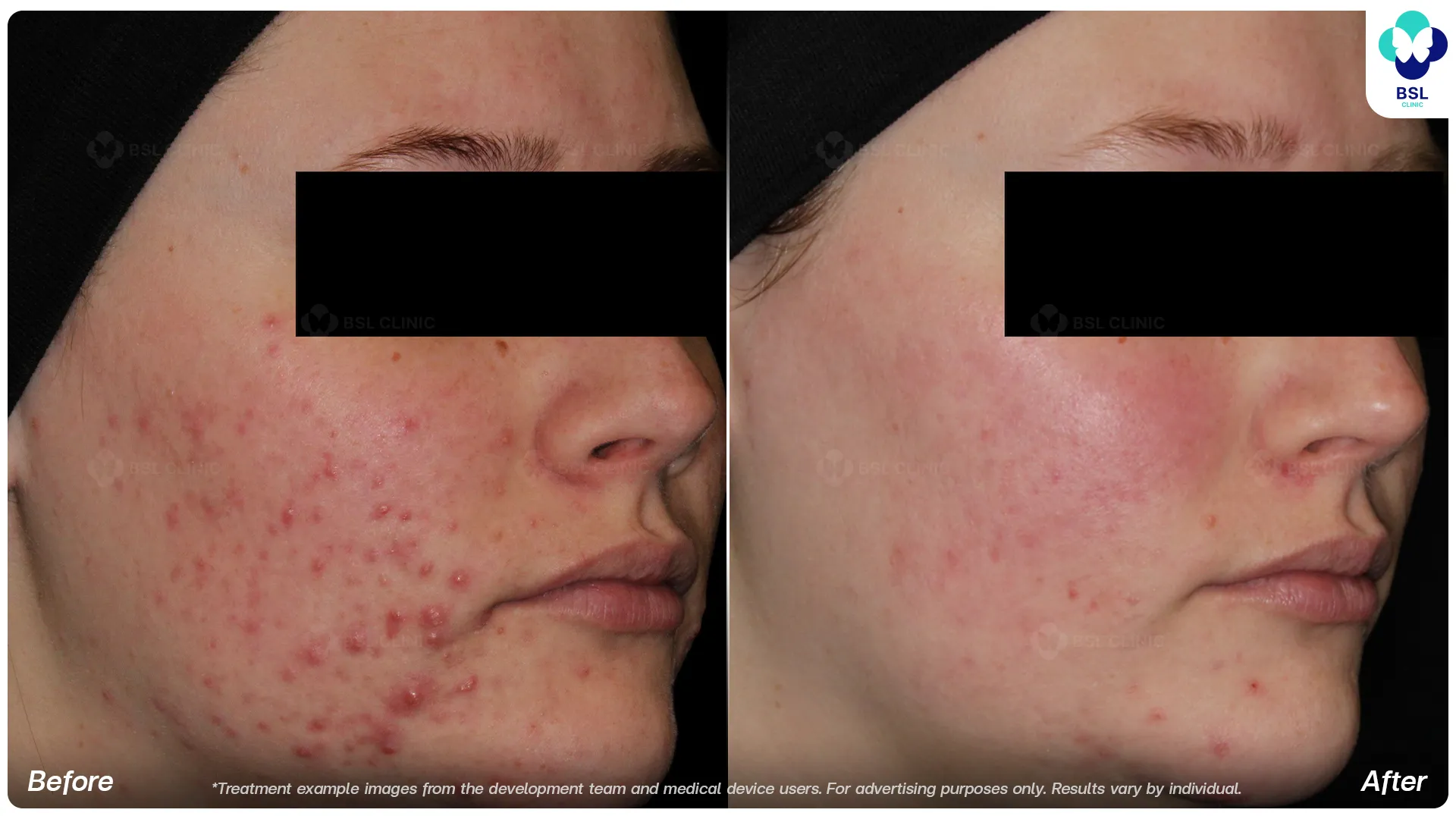
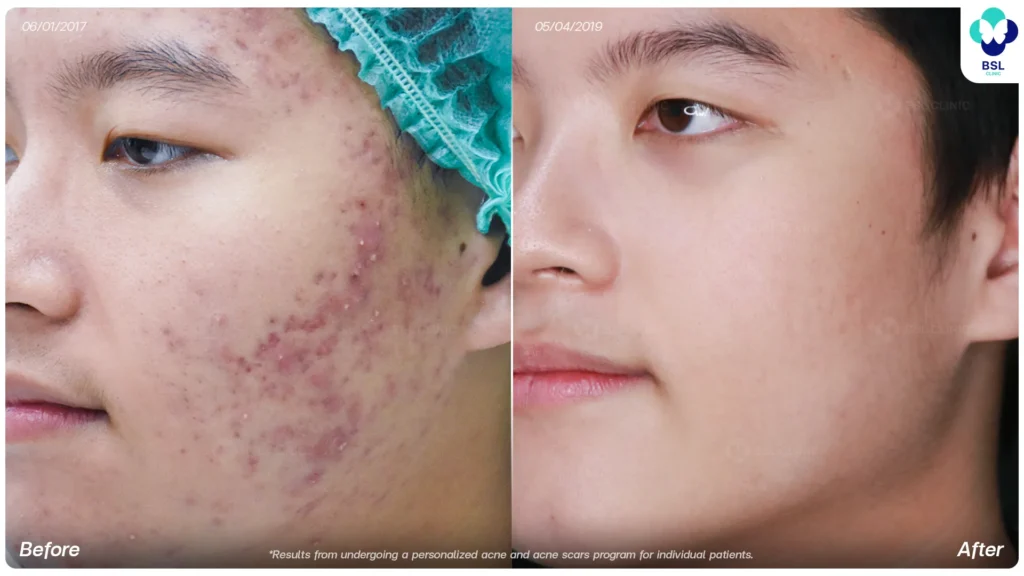
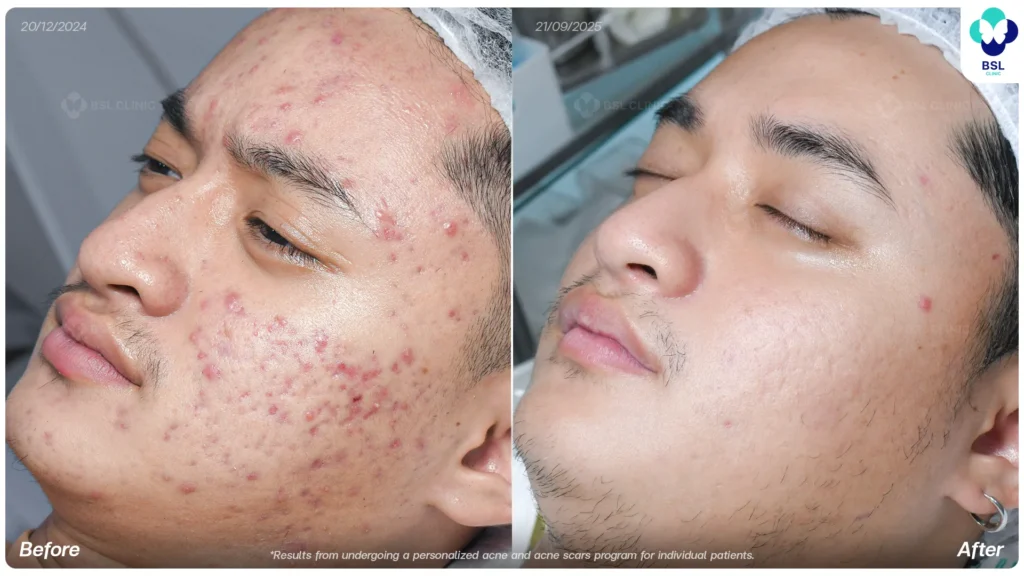
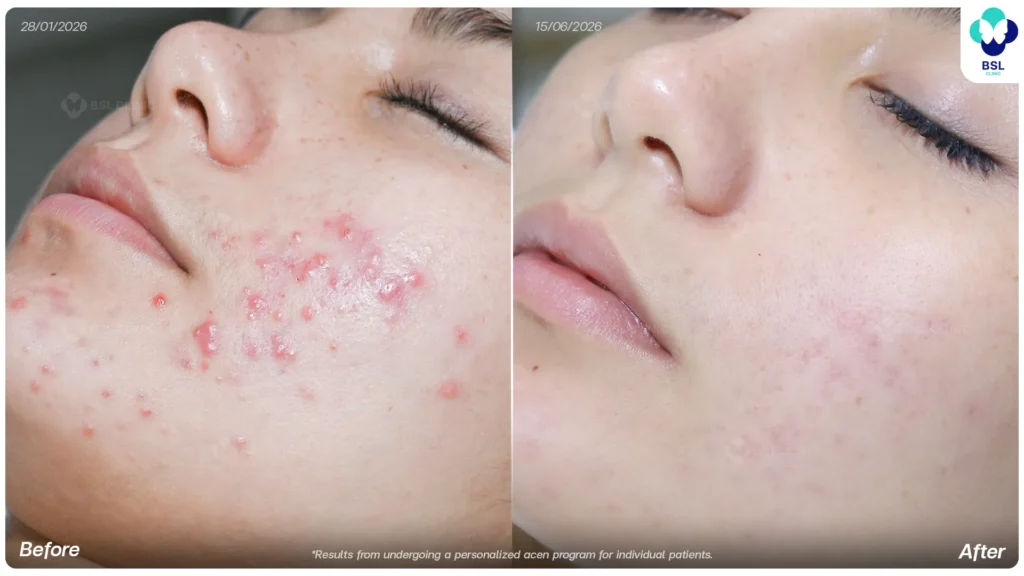
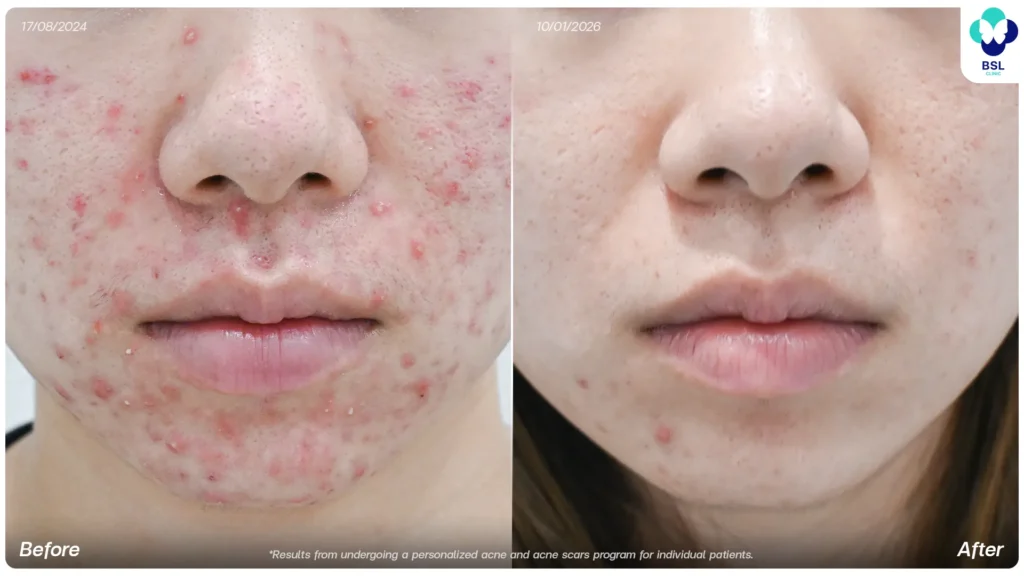
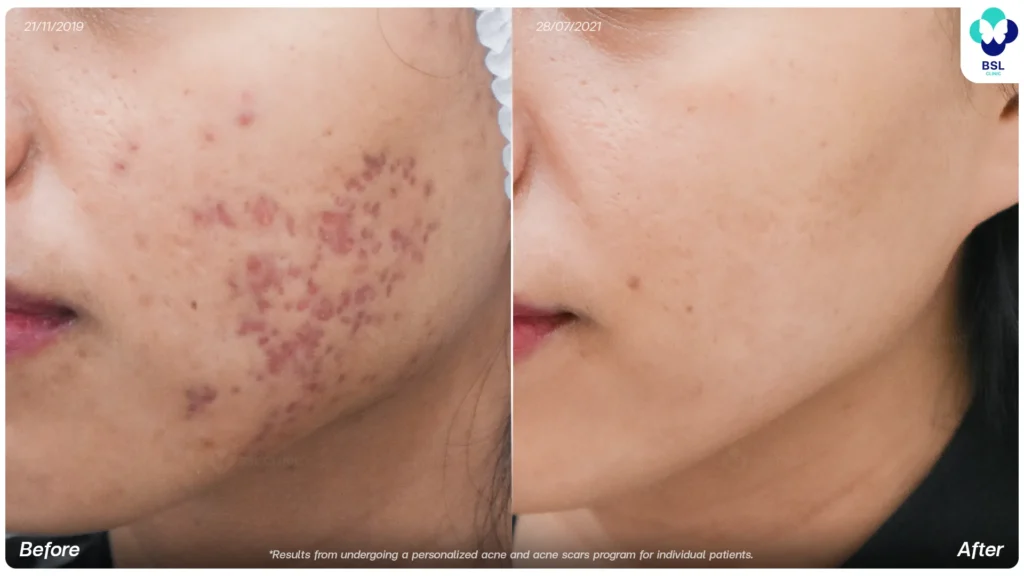
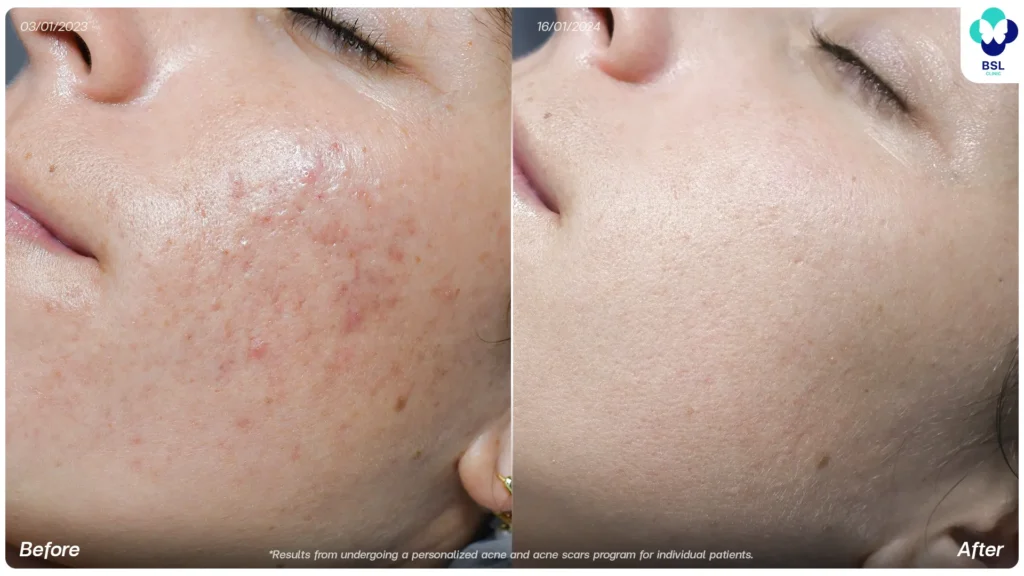
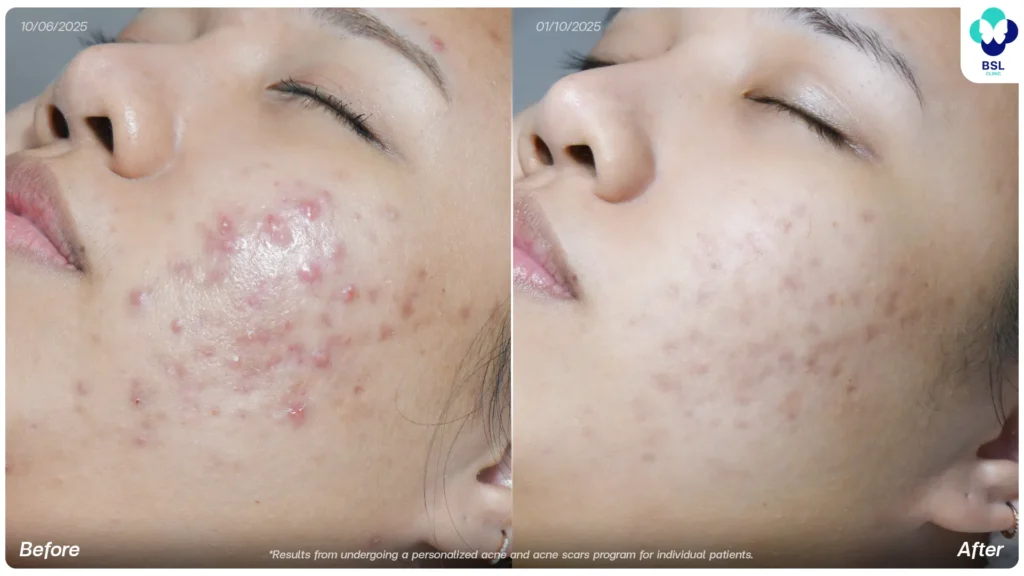
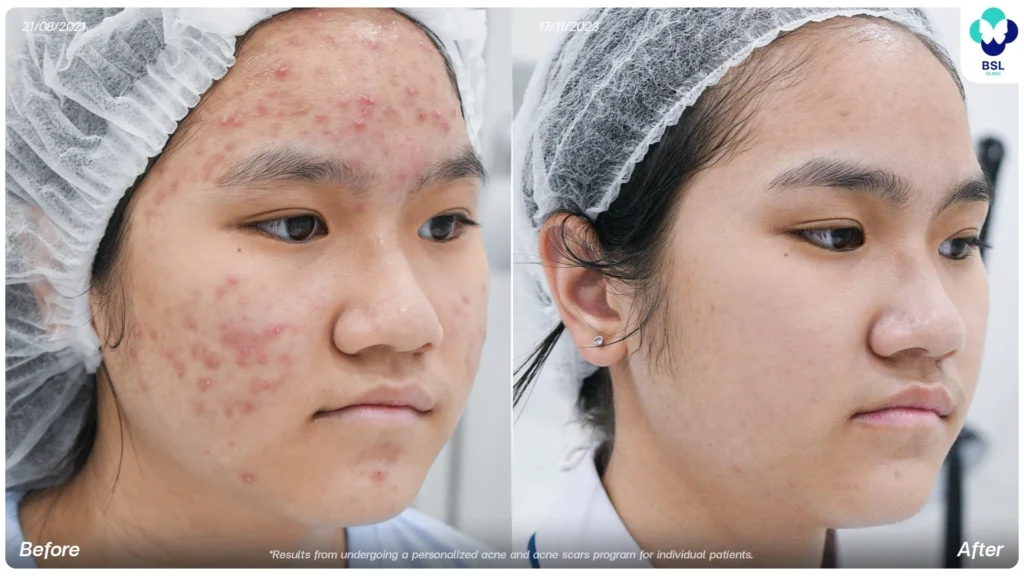
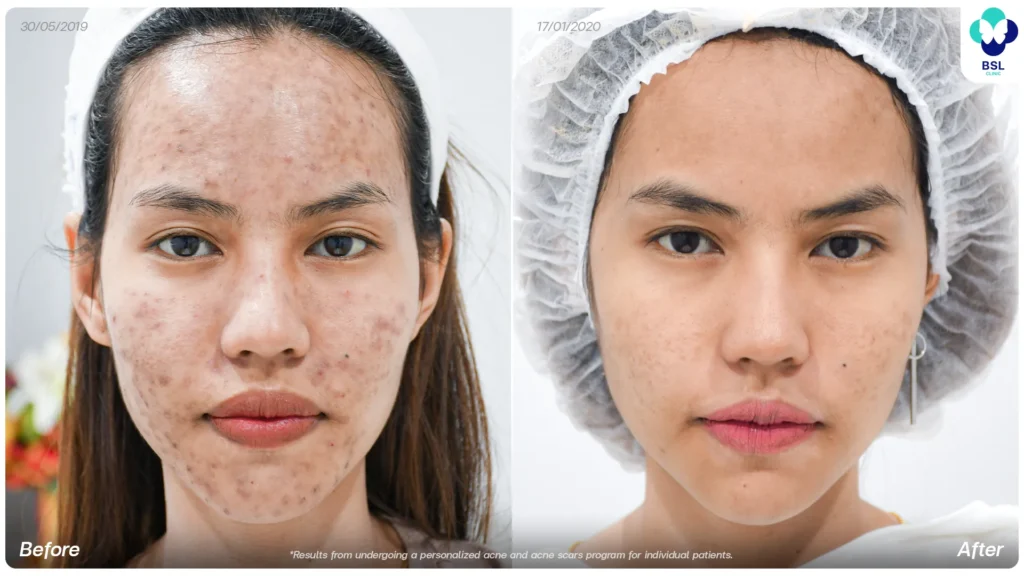
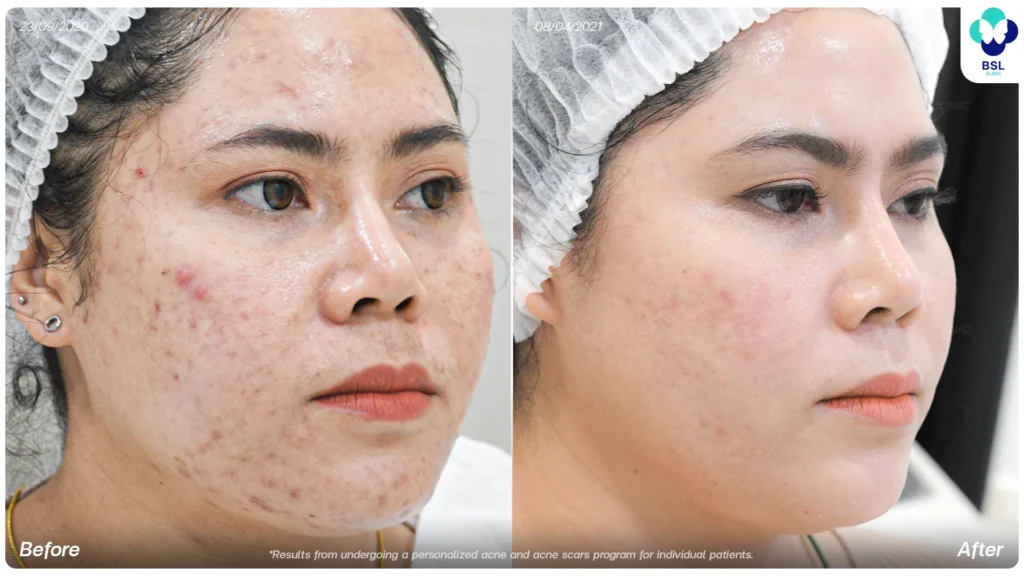
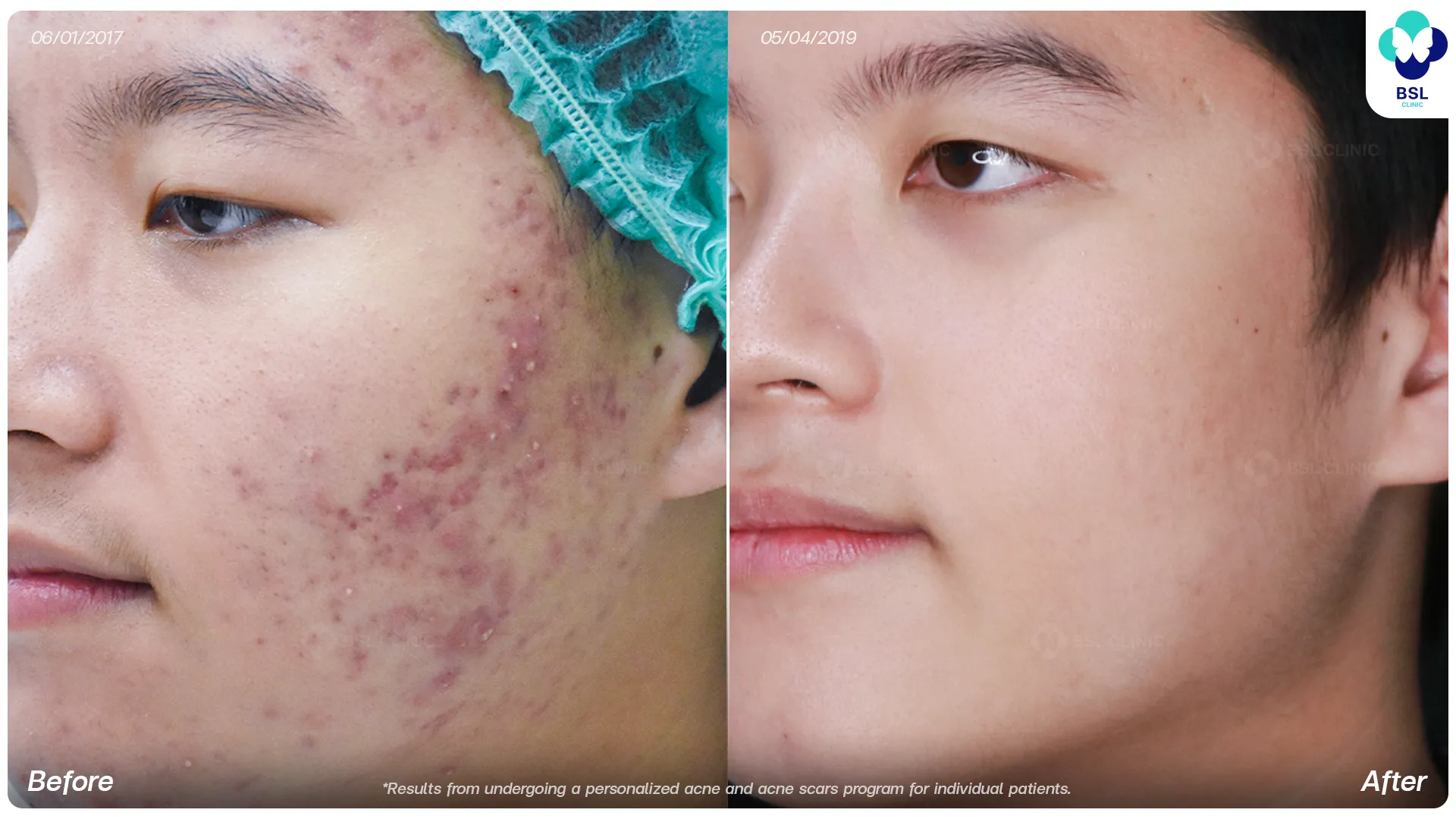
- BSL Acne Care Real Results
- Frequently Asked Questions About Acne Treatment
- Latest Insights In Acne Treatments
Why Does Acne Keep Coming Back?
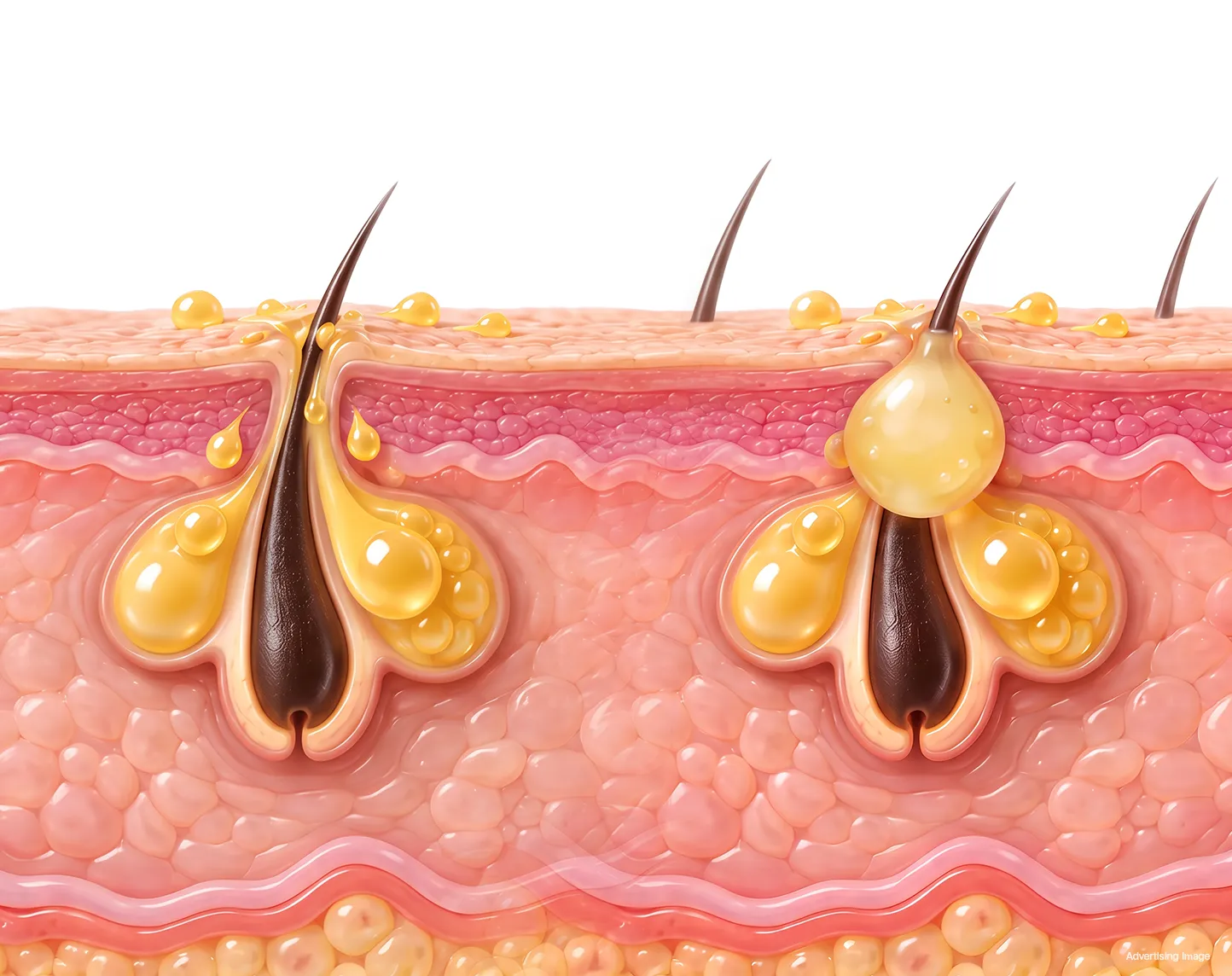
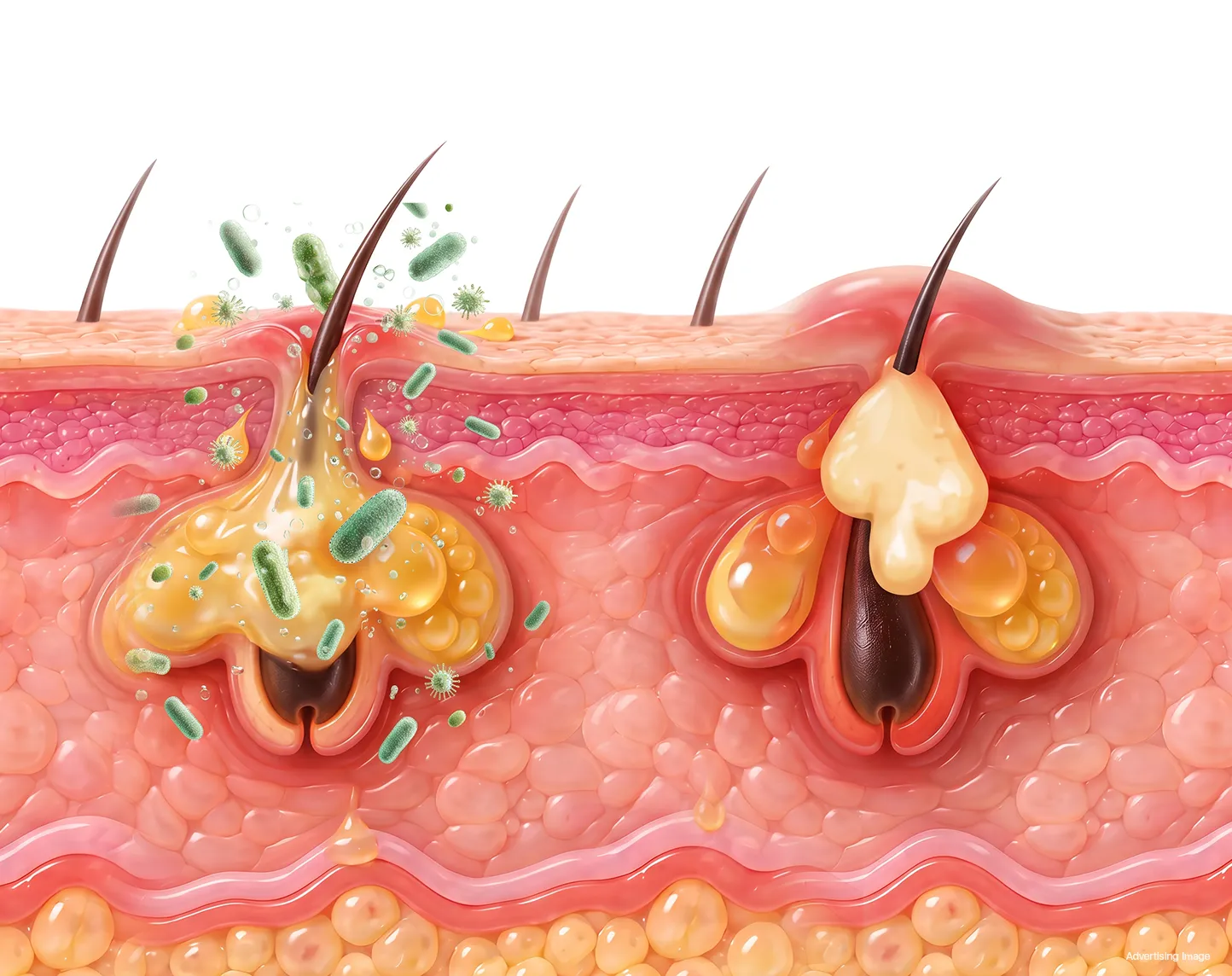
Acne rarely has just one cause. It usually develops when excess sebum production, clogged follicles, changes involving Cutibacterium acnes (C. acnes), and inflammation begin to interact.¹ Understanding these four factors can help explain why breakouts happen—and why the right acne treatment differs from person to person.
How Acne Forms
Hormonal changes or stress overstimulate sebaceous glands, leading to excess oil.
Dead skin cells block hair follicles, forming comedones (whiteheads or blackheads).
Cutibacterium acnes thrive in clogged pores, triggering redness and swelling.
The immune response worsens skin damage, resulting in painful, persistent acne lesions.
Because different factors can drive acne in different people, understanding what is happening beneath the skin is an important first step toward choosing an appropriate acne treatment.
Understanding Different Types Of Acne
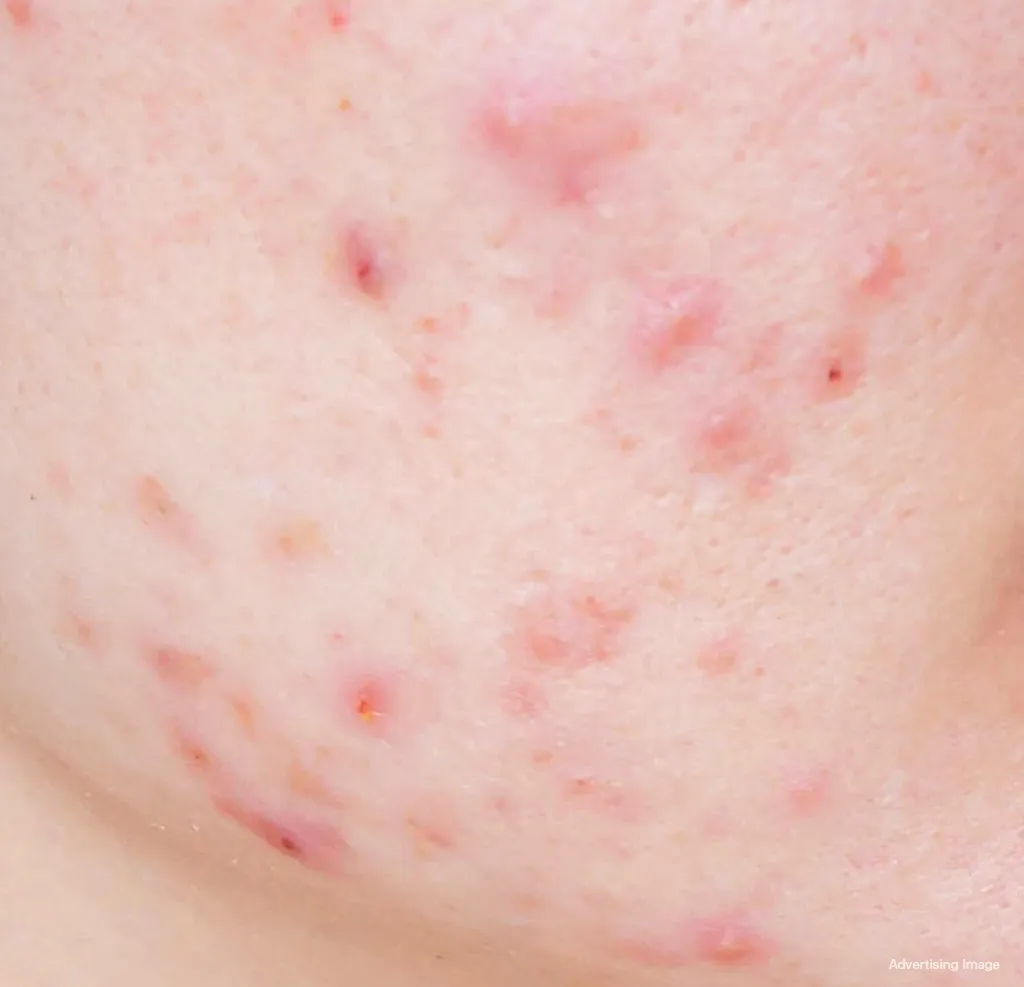
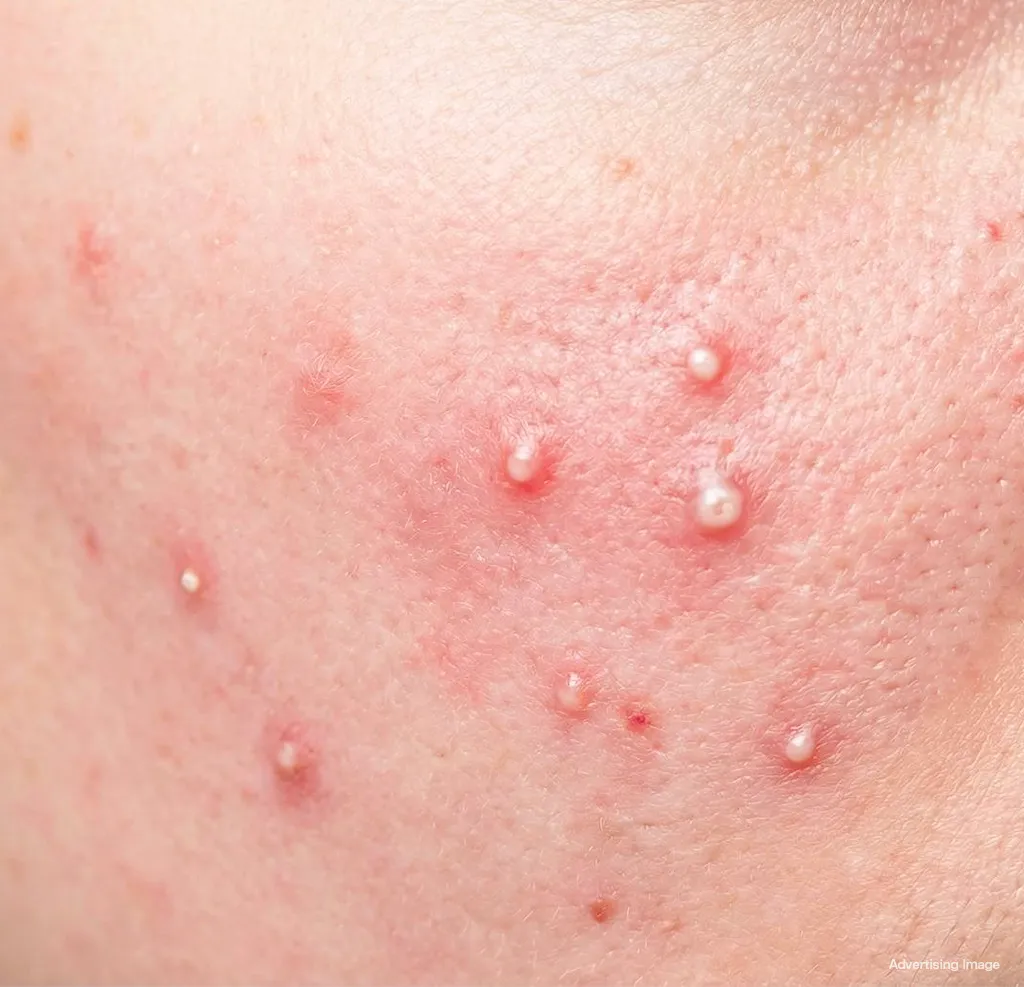
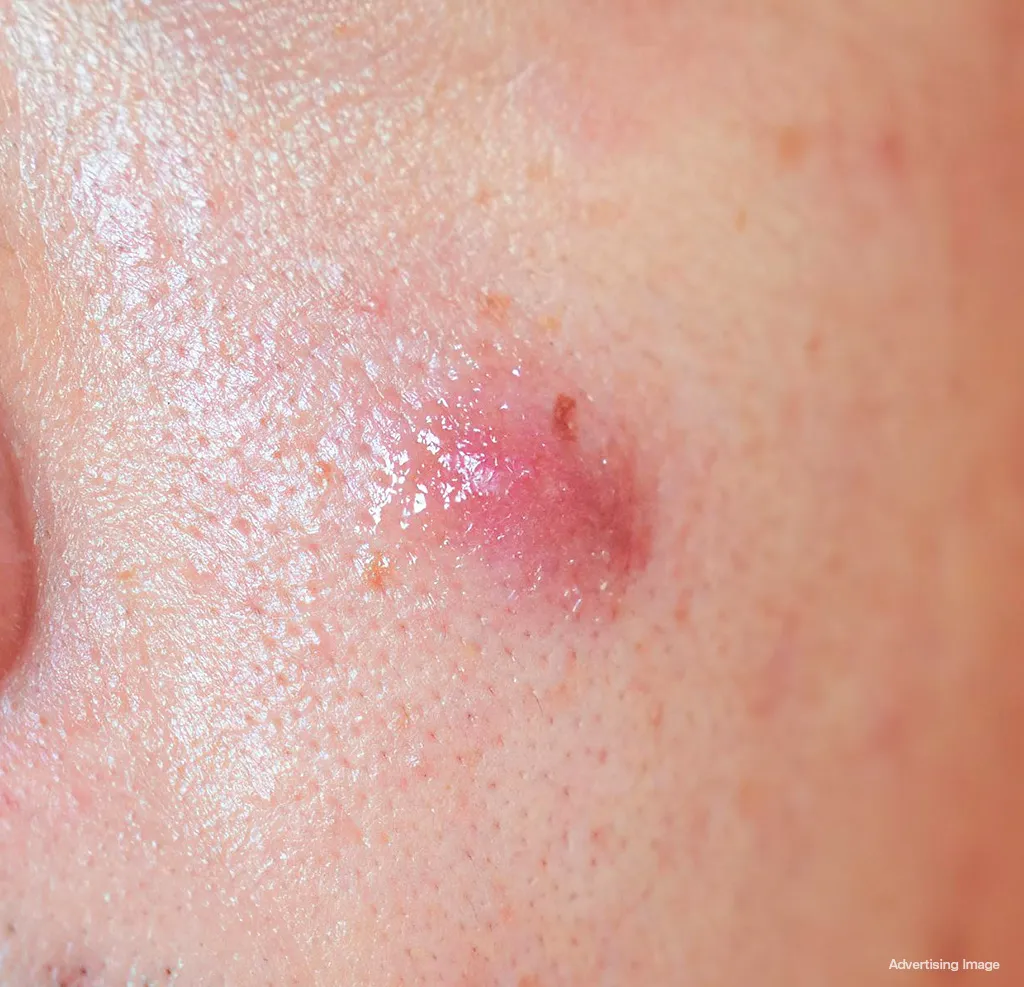
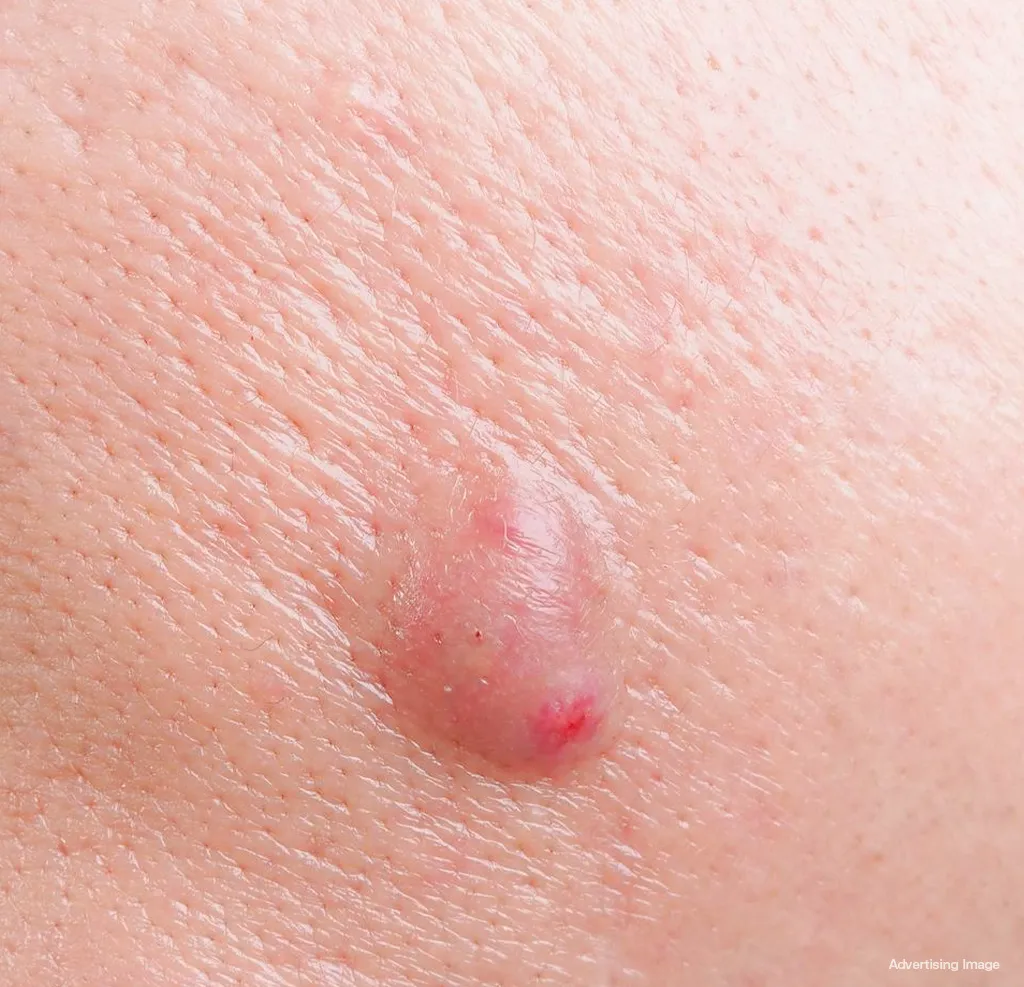
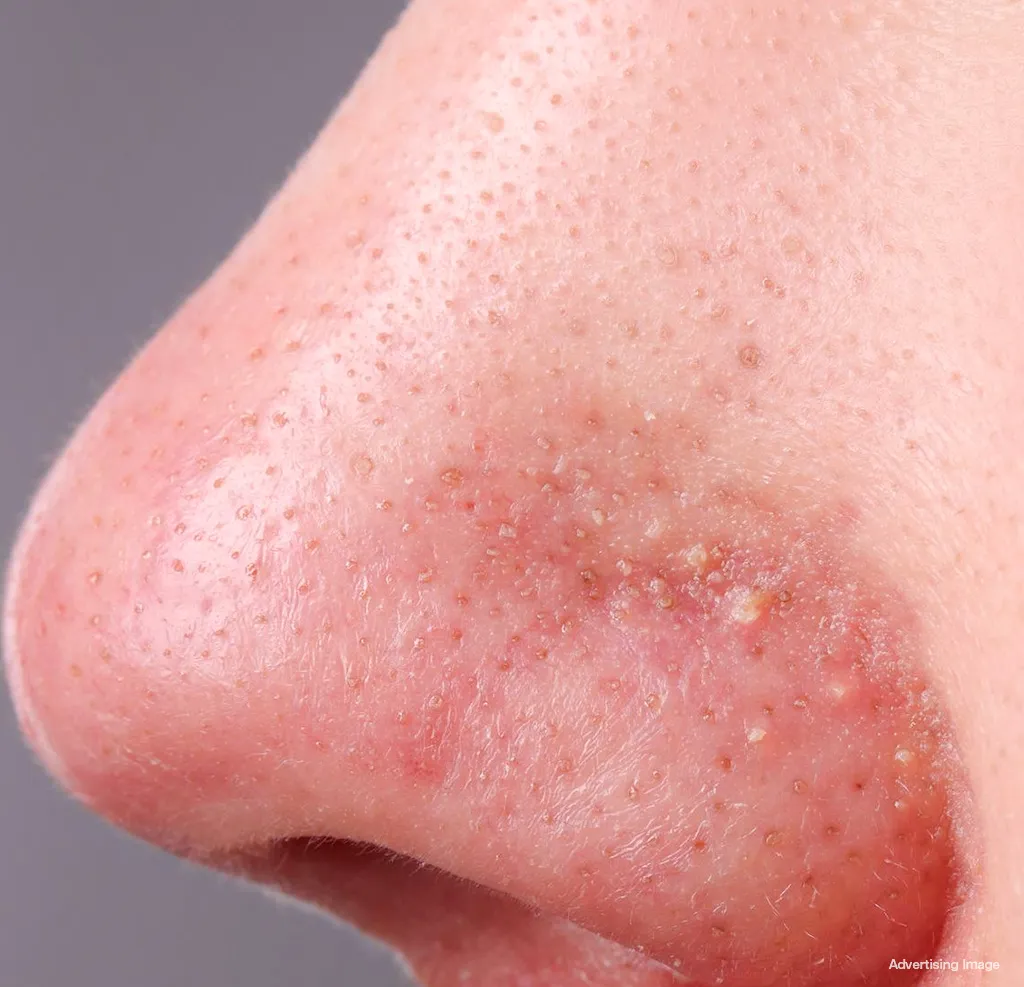
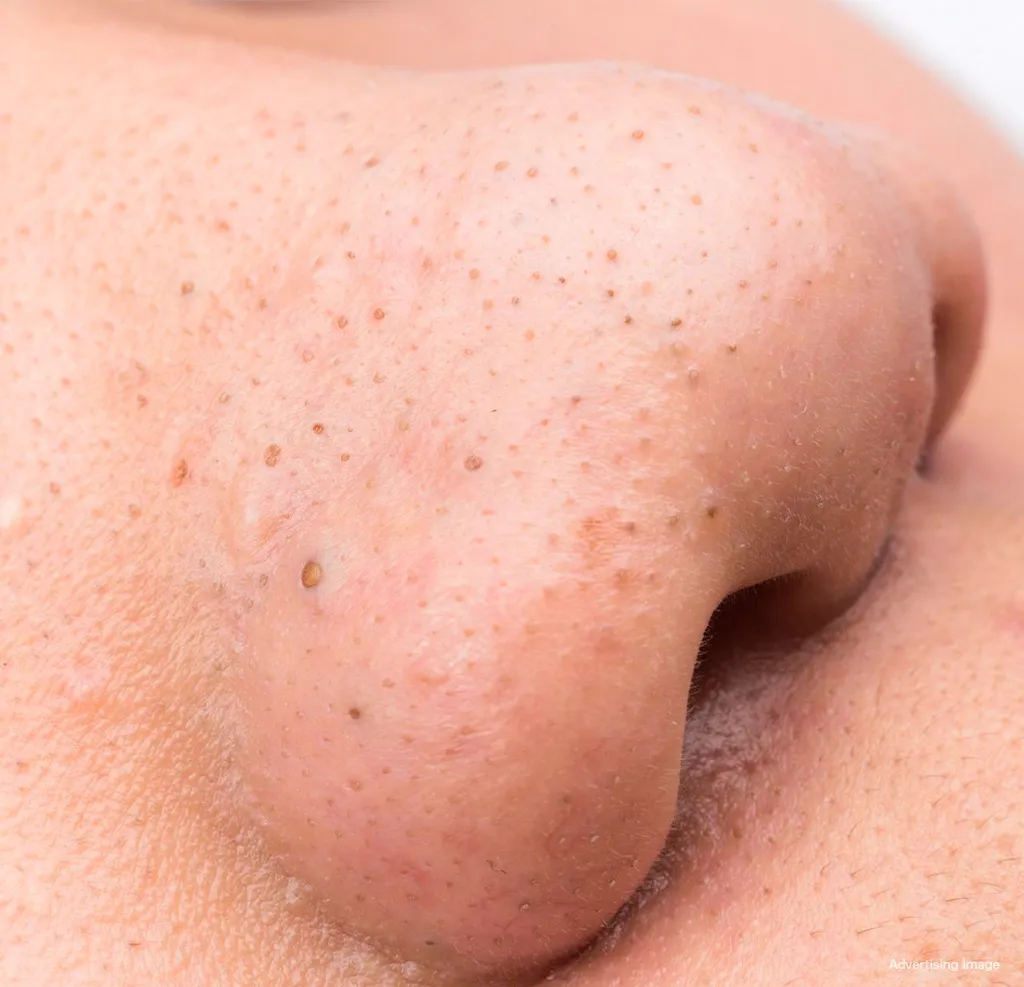
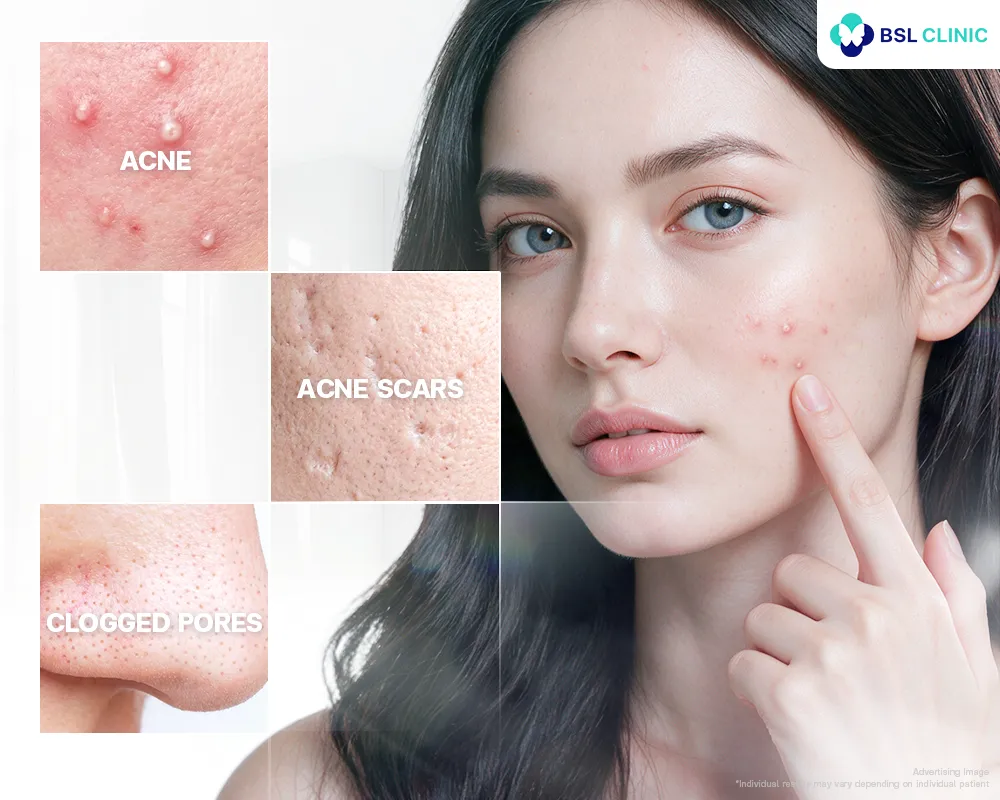
Not all acne looks the same. Some breakouts stay as clogged pores, while others become red, painful, or develop deeper beneath the skin. Acne presents as non-inflammatory blackheads and whiteheads or inflammatory lesions such as papules, pustules, nodules, and cysts.¹
Acne-prone skin isn’t a specific type of acne. It describes skin that tends to develop breakouts more easily or repeatedly. It also doesn’t necessarily mean oily skin—different skin types can still be acne-prone.
Acne can range from simple clogged pores to deeper inflammatory lesions such as nodules and cystic acne.¹ Identifying what type of breakout you have helps determine the next step in your acne treatment.
Inflammatory acne, clogged pores, or acne-prone skin? Start by finding out what your skin needs first.
Finding The Right Acne Treatment For Your Skin
Acne type, severity, inflammation depth, and the presence of persistent marks or scars guide treatment selection.²
How Is Acne Treatment Selected?
Acne treatment is generally selected according to the type and severity of the breakout. Mild acne often begins with topical treatment, while more inflammatory or severe acne often requires combination or systemic treatment.²
The goal is not simply to treat each visible pimple. A well-planned acne treatment should address the factors contributing to the breakouts while also considering the risk of persistent marks and acne scars.
Why Does Some Acne Take Longer To Improve?
Acne takes time to improve, especially when inflammation develops deeper within the skin. More severe forms, including cystic acne, require a longer treatment journey.
Starting treatment early helps control ongoing inflammation and reduce the risk of persistent marks and acne scars.
Treating Acne At The Cause: The 4 Factors
Several factors can drive acne at the same time. At BSL Clinic, treatment goes beyond visible breakouts by identifying the factors involved and targeting them as part of the overall acne treatment plan.
Your breakouts can involve one or several of these factors at the same time. Identifying what is driving your acne helps determine which concern should be addressed first.
Not sure which acne factors are affecting your skin? Let a BSL doctor assess your starting point and plan what to address first.
Reducing Excess Sebum Production
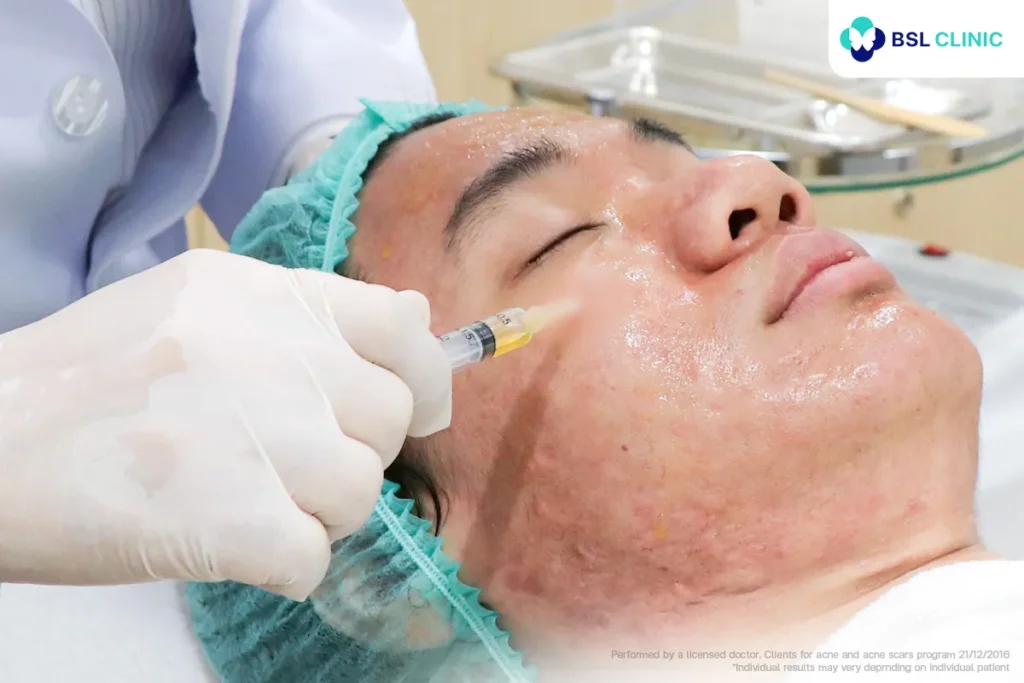
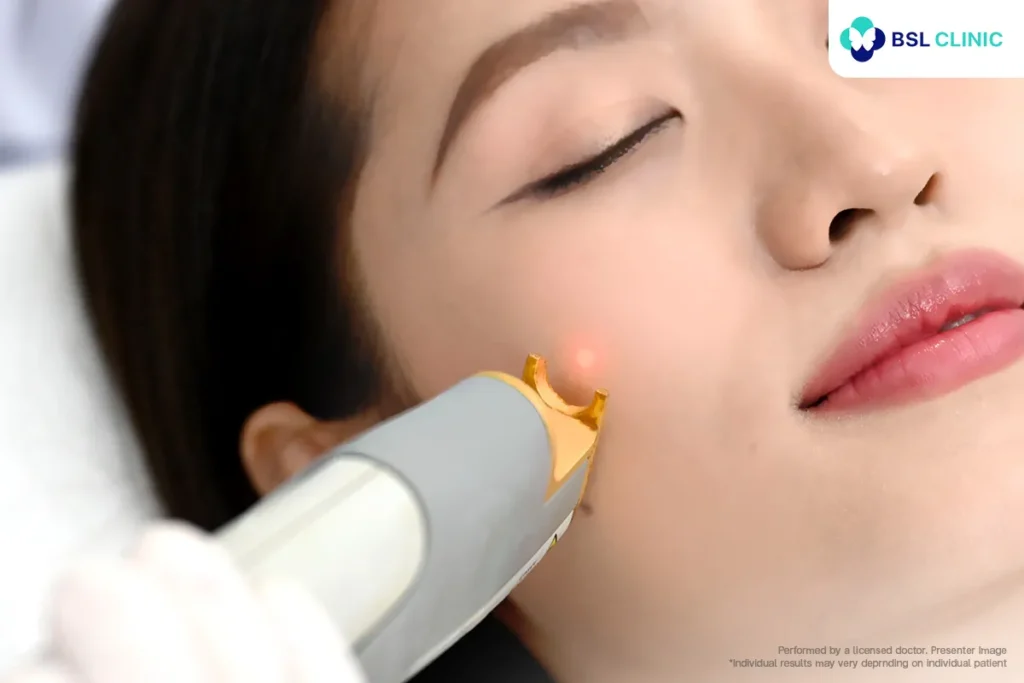
When excess oil contributes to acne, treatment focuses on the sebaceous glands (oil glands). Both Accure and AviClear Laser Programs use a 1726 nm laser wavelength designed to selectively target these glands—addressing one of the key factors involved in inflammatory acne.³
Target Oil to Control Acne: Accure Laser Program
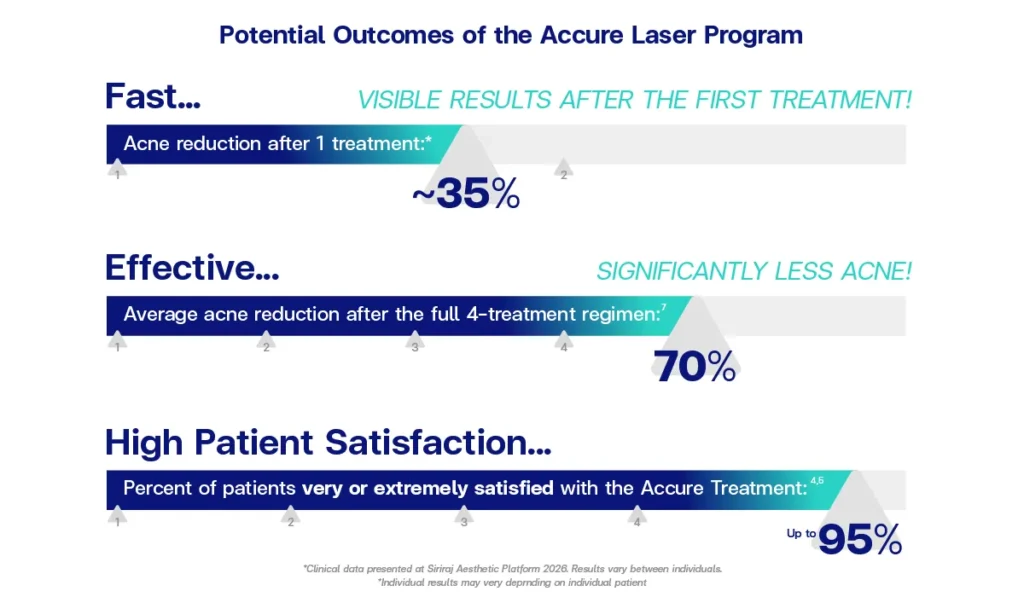
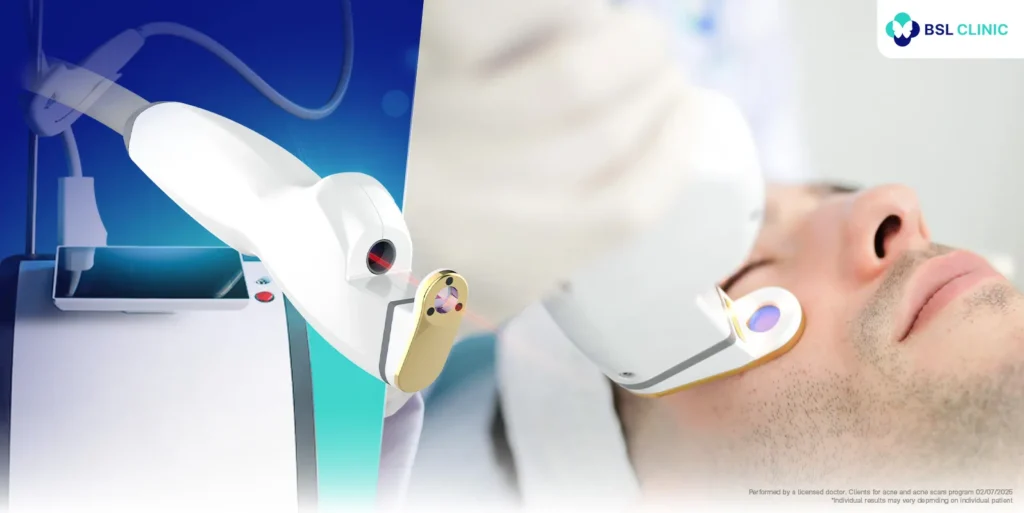
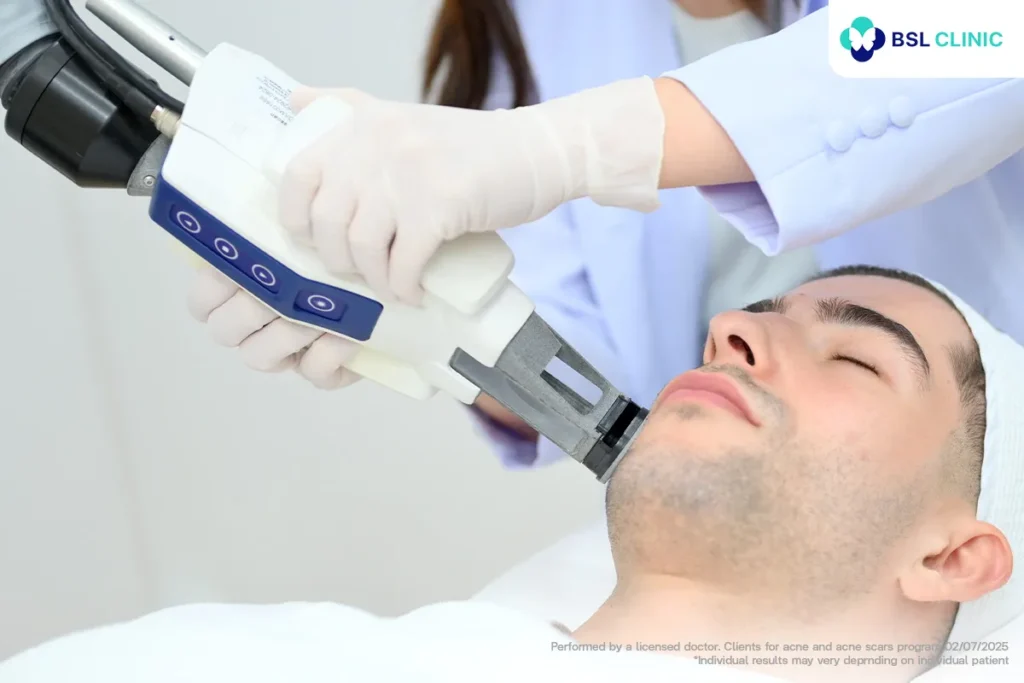
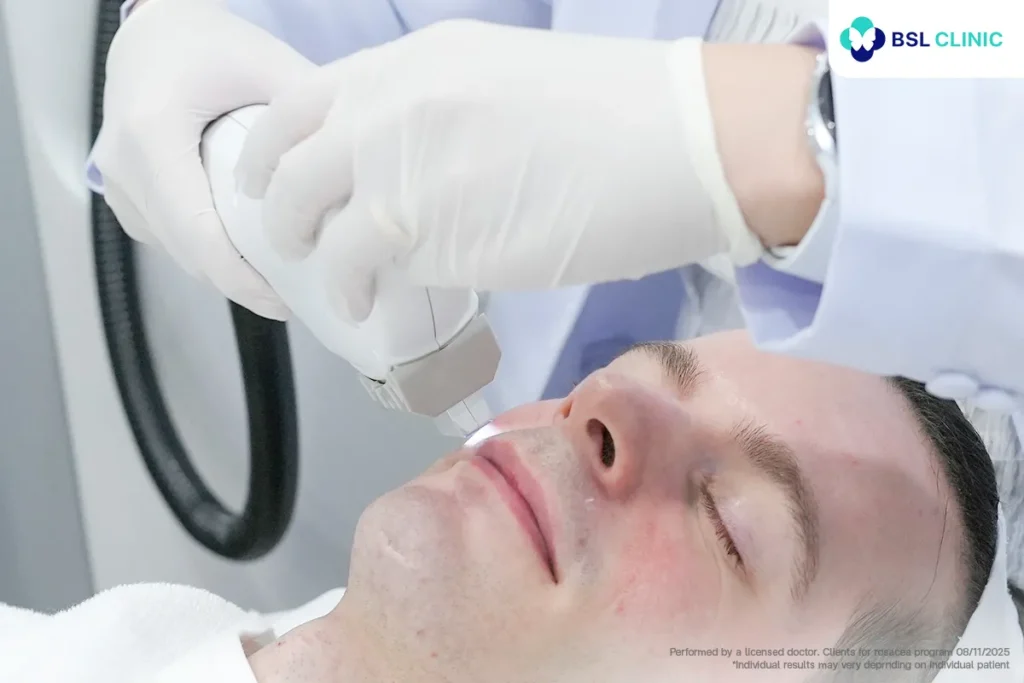
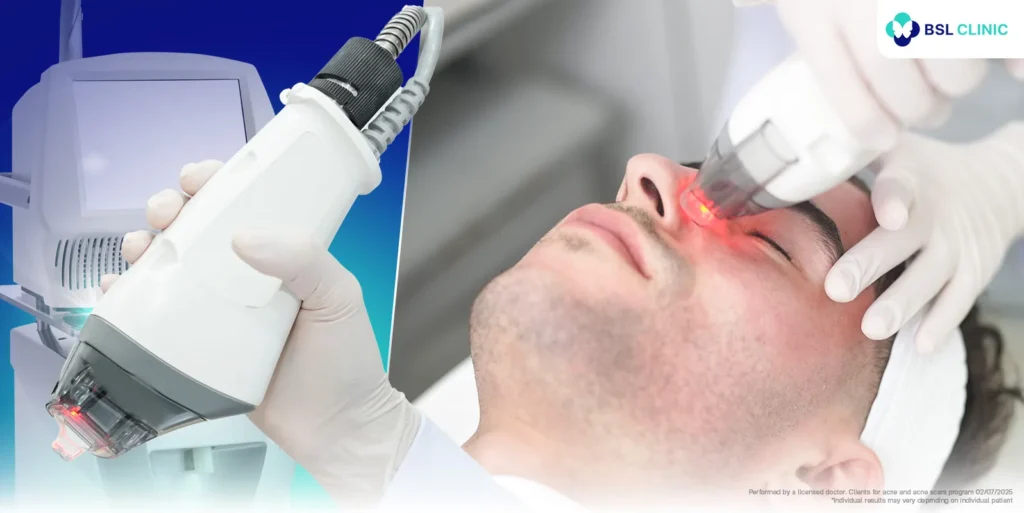
Accure Laser Program is a non-ablative 1726 nm acne laser designed to target the sebaceous glands involved in oil production. It delivers controlled heat at depth while using real-time temperature monitoring and cooling to help protect the surrounding skin.³ This targeted approach addresses excess sebum at its source, one of the key factors involved in recurring inflammatory acne.
Manage Ongoing Acne: AviClear Laser Program
AviClear Laser Program uses a 1726 nm wavelength to selectively target the sebaceous glands (oil glands)—one of the key factors involved in acne development.³ Improvement typically develops gradually over the months following the treatment course rather than immediately after treatment.⁶
of inflamed acne has reduced after 3 treatment sessions and reduced continuously up to 2 years**
of patients saw the acne resolve and the reduction of acne at 6 months after the final treatment.**
of inflamed acne has reduced after 3 treatment sessions**
of patients reported being satisfied with the results in clinical studies after the treatment.**
*Individual results may vary depending on individual patient
Plans with
friends or family
Dates
Daily activities
Celebrating
birthdays or holidays
A wedding or
related events
Acne can affect more than breakouts—it can influence confidence, social activities, photos, and important memories.⁶
At BSL Clinic, we create personalized acne treatment plans that consider your skin concerns, priorities, and available time—whether you are visiting Thailand briefly or planning ongoing care.
Beside Accure & AviClear Programs, Morpheus8 Program addresses more than acne scars. Research has explored fractional RF for both active acne and the scars it can leave behind.⁵
Supporting Skin Renewal & Managing Clogged Pores
Clogged pores form when excess oil and dead skin cells build up inside the pores, creating blockages that can develop into whiteheads, blackheads, and inflammatory acne.¹ Keeping this buildup under control is an important part of acne care.
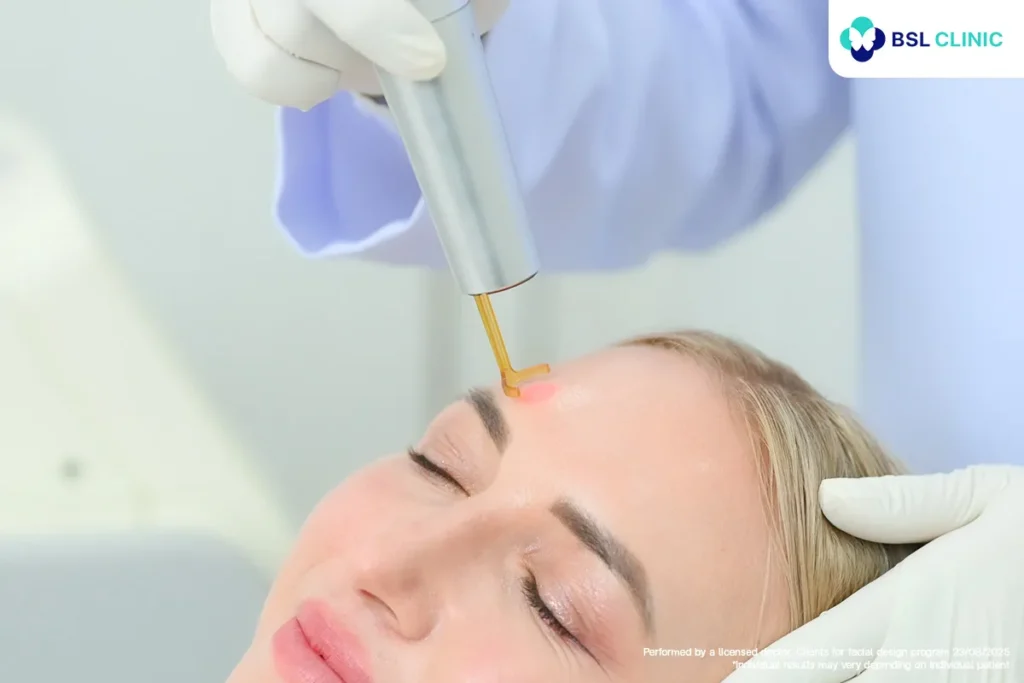
Fraxel Dual Laser Program uses 1550 nm and 1927 nm fractional laser wavelengths to create microscopic treatment zones at different skin depths. These zones stimulate skin renewal and remodeling to help improve skin texture and overall skin quality.⁴
While Accure and AviClear Programs focus on sebaceous gland activity, Fraxel Dual Laser Program focuses on skin renewal and texture.
Managing Acne-Related Inflammation
Once acne becomes inflamed, the focus shifts from clogged pores to calming inflammation and supporting skin recovery.
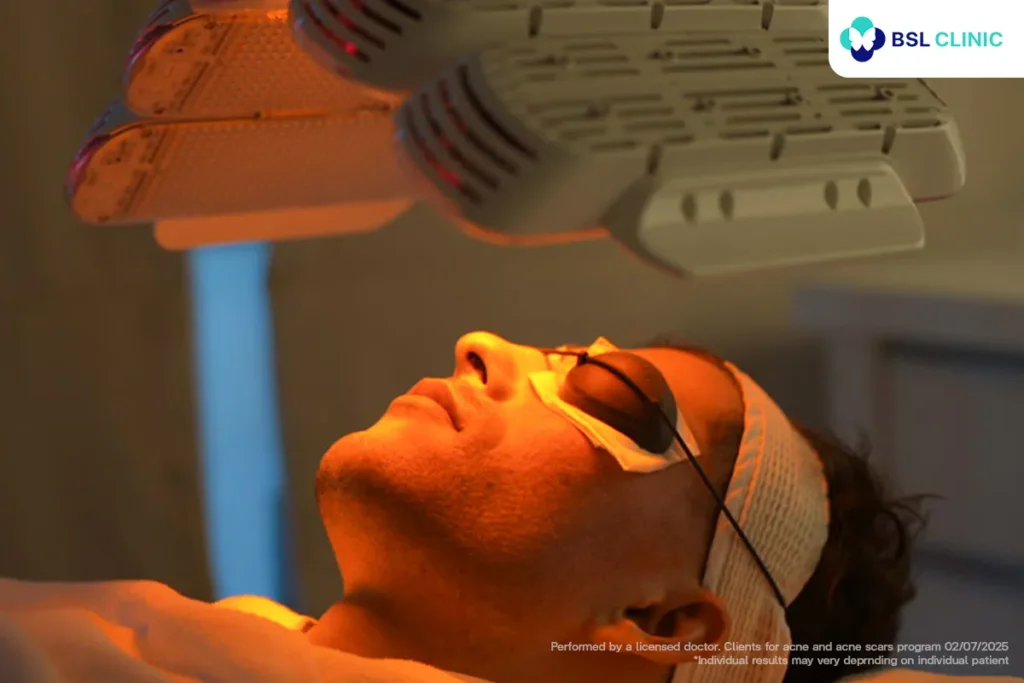
LED light therapy uses specific wavelengths of light to target different factors involved in acne. Blue light is commonly used for its effects on C. acnes, while red light penetrates deeper and is primarily used to help calm inflammation.
633 nm red light therapy can be incorporated into an acne treatment plan to help reduce acne-related inflammation and redness while supporting the skin’s recovery.
Phototherapy is also combined with other treatments when acne involves multiple factors, such as excess oil, clogged pores, and inflammation.
Alongside the main treatment plan, selected treatments might be added to support skin recovery during acne care and collagen remodeling when acne scars are a concern.
Supports skin recovery and collagen remodeling alongside selected acne or acne scar treatments.
Supports skin repair and overall skin quality, particularly when post-acne skin changes are also a concern.
These treatments complement acne and acne scar care when appropriate.
What to Know Before Acne Treatment
Your first visit starts with your skin as it is. Come as you are, and the doctor will assess your skin, understand your concerns, and guide you through what comes next.
Continue with your usual routine before your consultation. Bring your current skincare products or photos of them, including any acne medication you use, so your doctor can see what is already part of your routine.
Come as you normally would. If makeup needs to be removed for a closer skin assessment or before treatment, the clinic team will guide you through it.
Leave active breakouts and clogged pores as they are before your appointment. This allows your doctor to assess your acne in its current condition before deciding how each concern should be addressed.
Avoid trying to clear out your skin with scrubs, strong exfoliation, or unfamiliar products right before your visit. Keeping your routine simple helps avoid unnecessary irritation before your skin is assessed.
Preparing for your visit can be simple. BSL Clinic will take you through the next steps based on what the doctor finds during your assessment.
Your Acne Treatment Journey at BSL Clinic
At BSL Clinic, acne care goes beyond active breakouts. We look at the full picture—including acne type, inflammation, red or dark marks, scars, previous treatments, and the time you have in Bangkok—to plan what to address first.
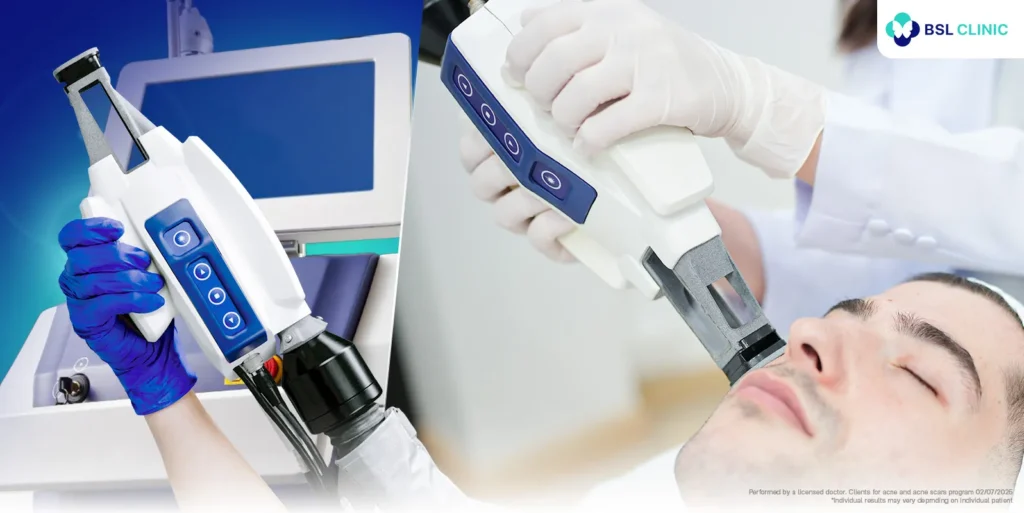
Our doctor reviews your acne type, severity, inflammation, skin condition, current skincare or medication, previous treatments, marks, and scars. This assessment identifies what needs attention first.
Before your visit: Bring details of your current skincare, medication, and previous acne treatments where available.
Your treatment plan reflects the concerns identified during assessment. Our doctor explains what each treatment targets, what happens during the session, and what to expect afterward.
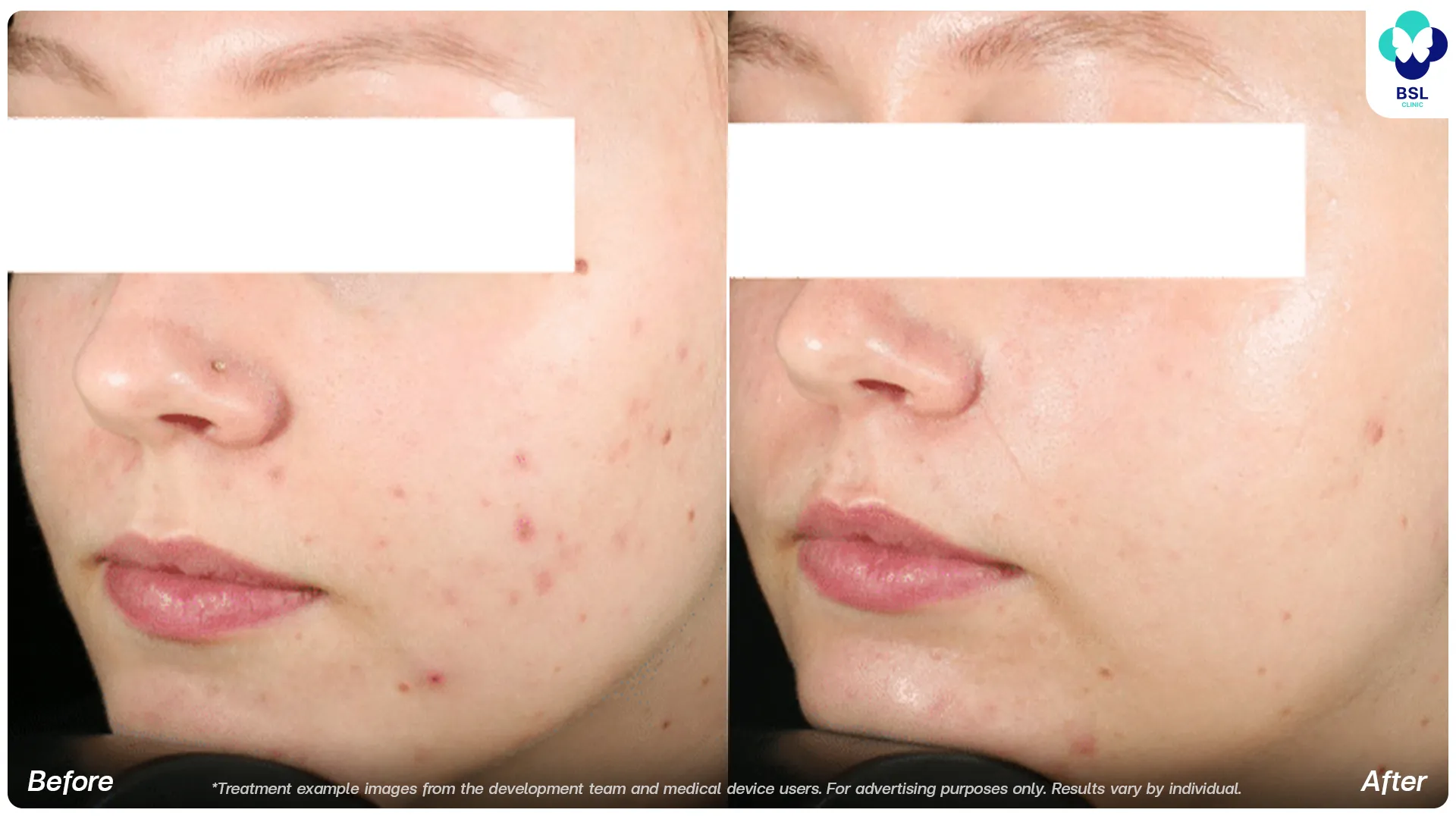
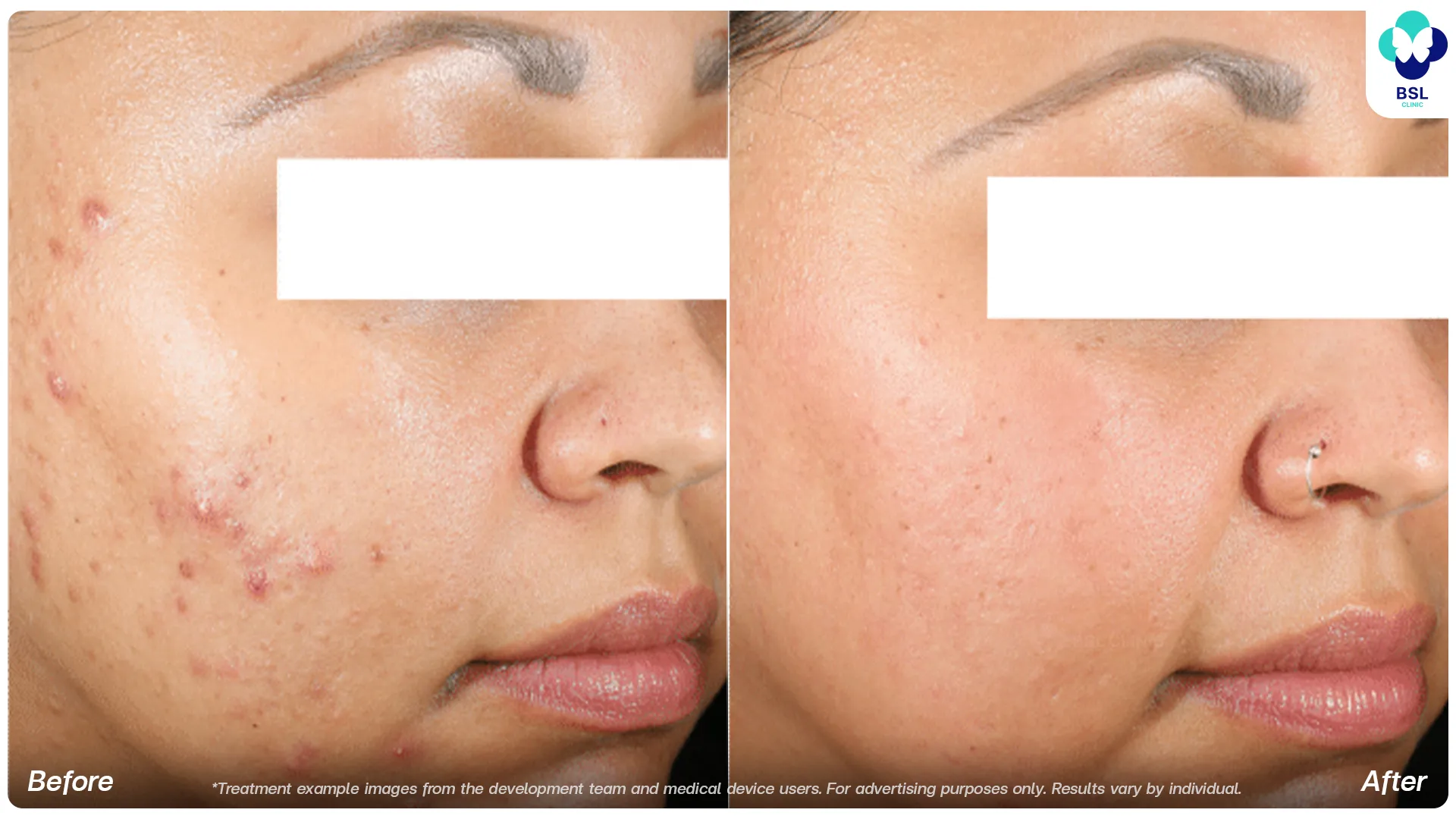
During your treatment: The treatment process, session length, and skin response differ according to the treatment selected.
Follow-up tracks breakouts, marks, scars, and your skin response so your doctor can review what comes next. If you have limited time in Bangkok, treatment can begin during your stay, with follow-up continuing after you return home.
After your visit: You leave knowing what to expect next and when your progress should be reviewed.


Why Starting Acne Treatment Early Matters
Deep, painful, recurrent, nodular, or cystic acne carries a greater risk of scarring. Starting treatment earlier can help control inflammation and reduce the chance of lasting marks or acne scars.
Post-Acne: Treating Red Marks & Dark Spots
Red Marks: Targeting Post-Acne Redness
Red marks left after acne, known as post-inflammatory erythema (PIE), remain after an inflamed breakout has healed. Because this redness is linked to small blood vessels near the skin, treatment focuses on vascular-targeting light and laser technologies.
Depending on the appearance and depth of the redness, options include:
Laser Genesis Program:
Helps reduce redness while supporting collagen remodeling.
Dark Spots: Targeting Post-Acne Pigmentation
Brown or dark marks left after acne are known as post-inflammatory hyperpigmentation (PIH). Unlike red marks, these develop when inflammation triggers excess melanin production.
Treatment therefore focuses on targeting unwanted pigment and improving uneven skin tone:
Acne Scars: Different Depths, Different Approaches
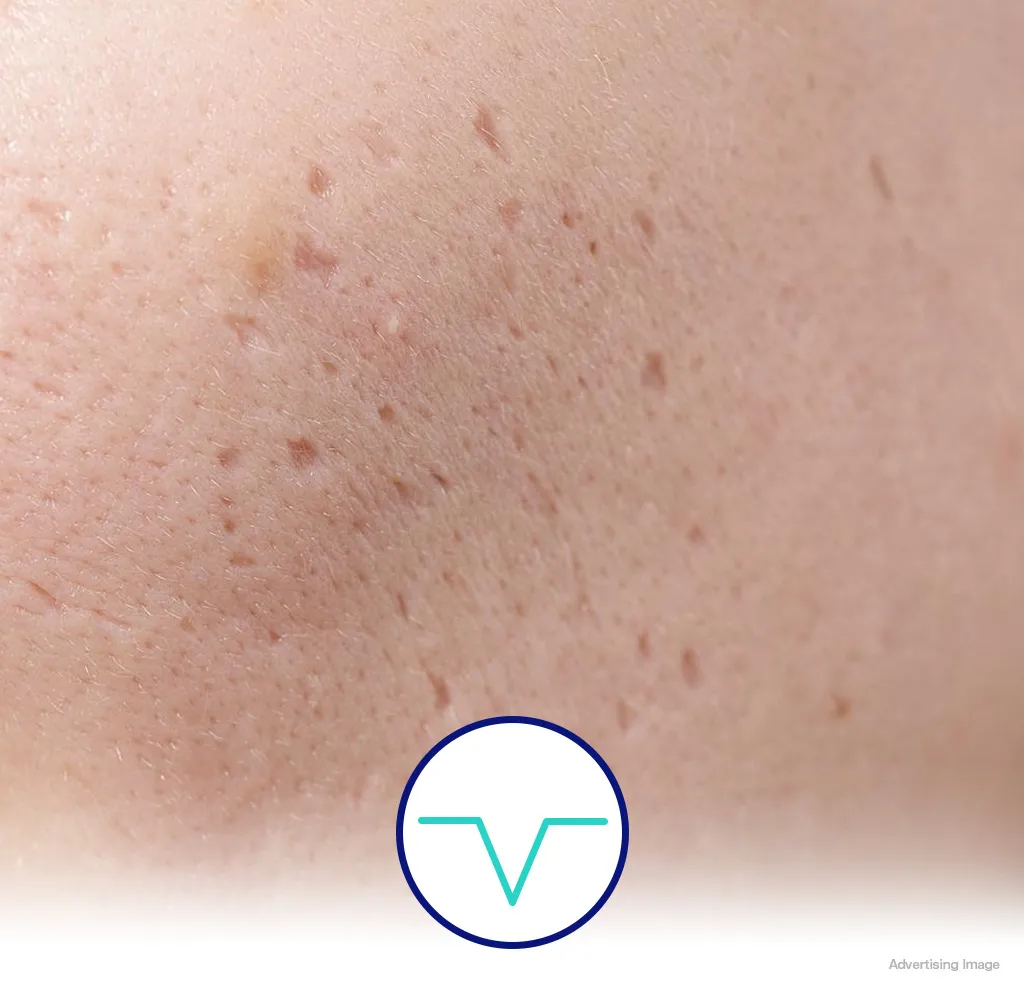
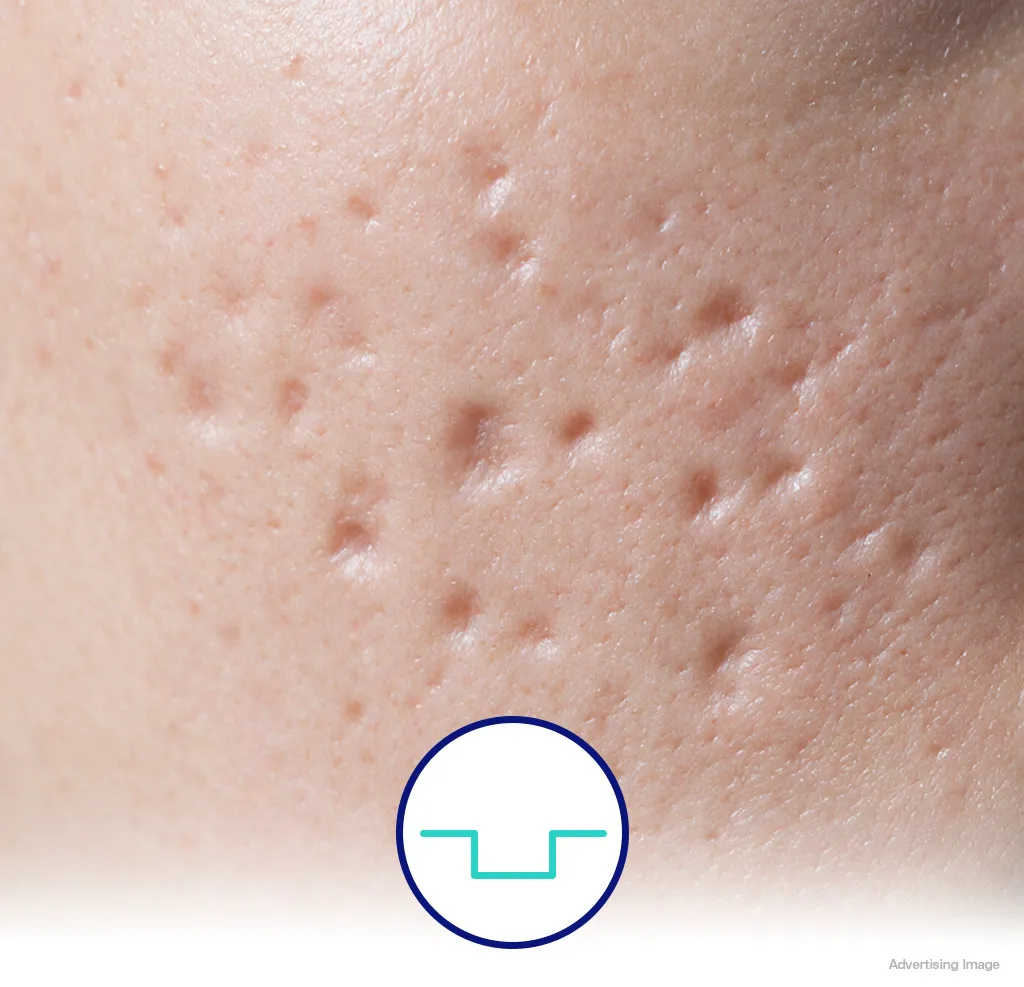
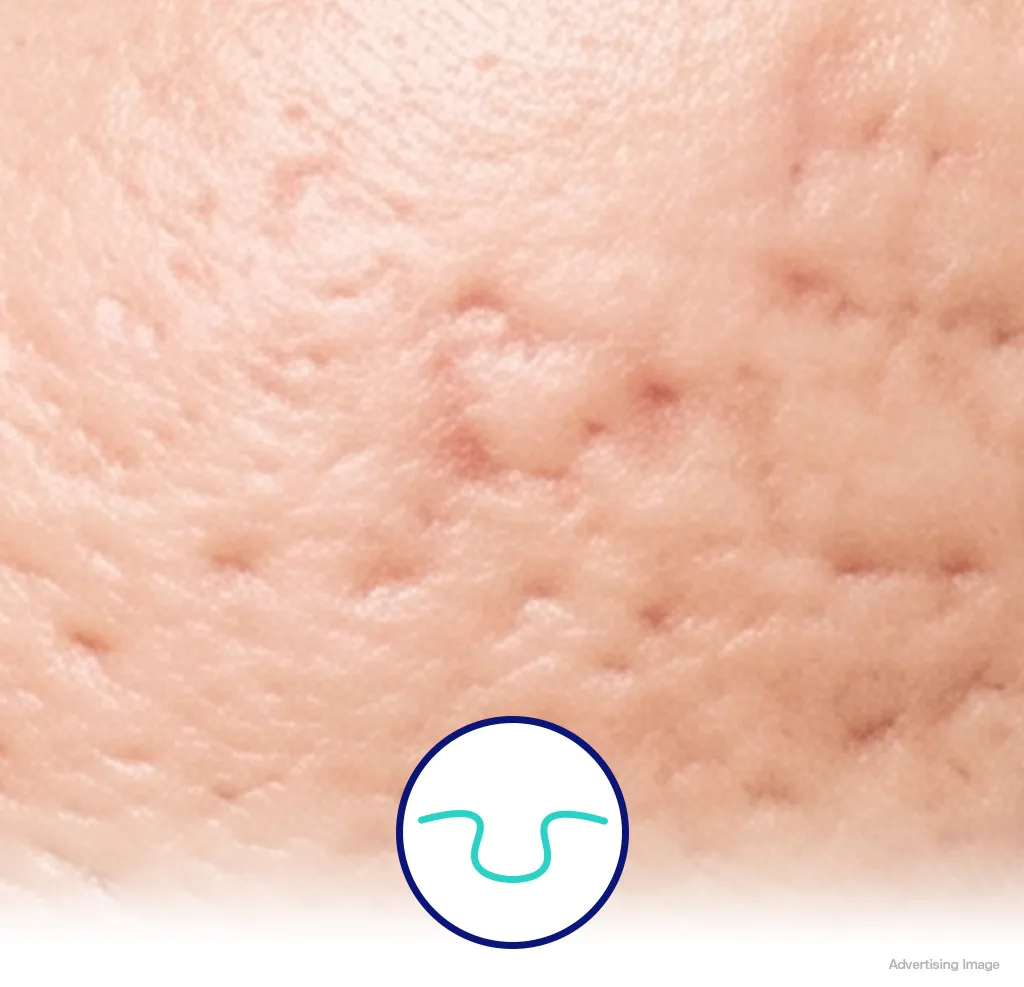
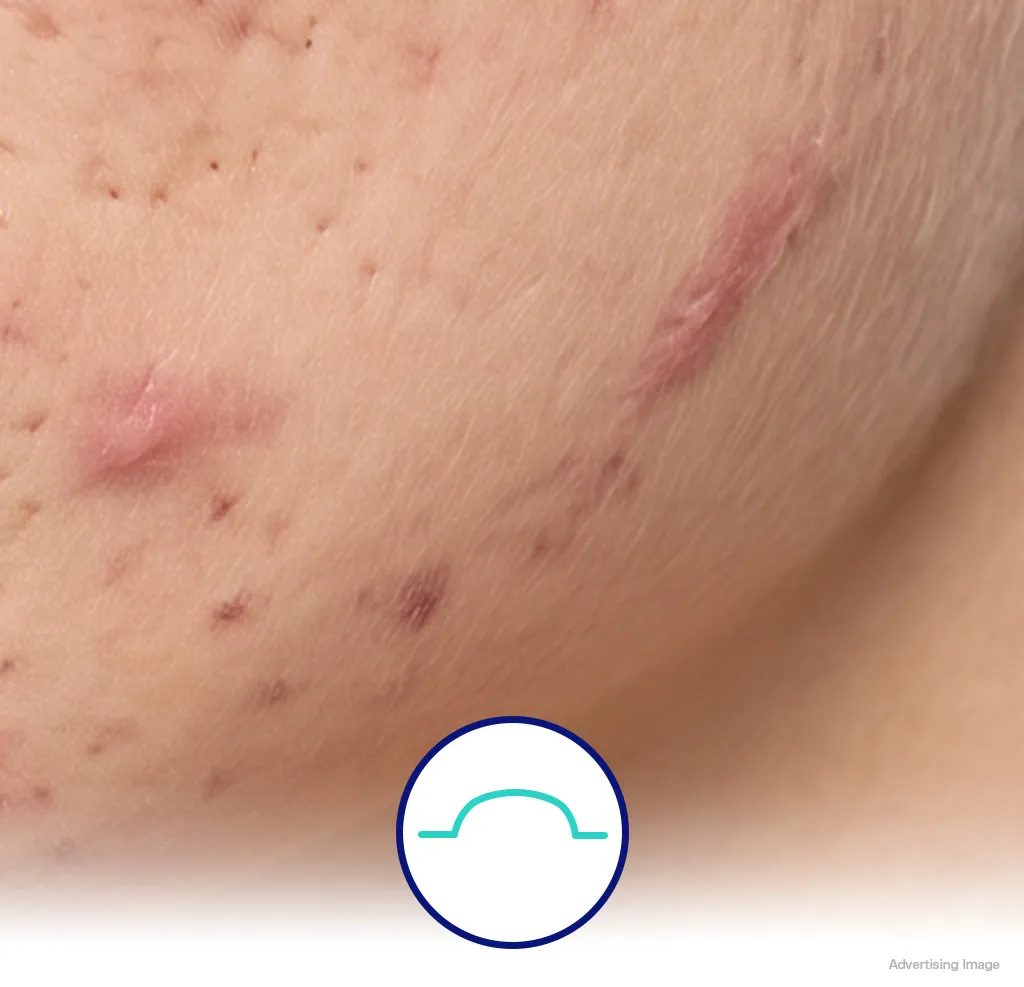
Acne scars are different from the red or dark marks left after a breakout. They involve changes in the skin’s texture or structure and can be shallow, deep, depressed, or raised—meaning different scar types need different treatment approaches.
Smoothing Scars, Refining Texture: Fraxel Dual Laser Program
Once acne leaves scars and uneven texture, the treatment goal shifts from controlling breakouts to remodeling the affected skin. Fraxel Dual Laser Program uses fractional laser energy to create microscopic treatment zones that stimulate skin renewal and collagen remodeling.⁴
- Fractional treatment zones → support skin renewal
- Collagen remodeling → addresses depressed acne scars
- Texture refinement → improves the appearance of uneven skin
Deeper Remodeling for Uneven Skin: Morpheus8 Program
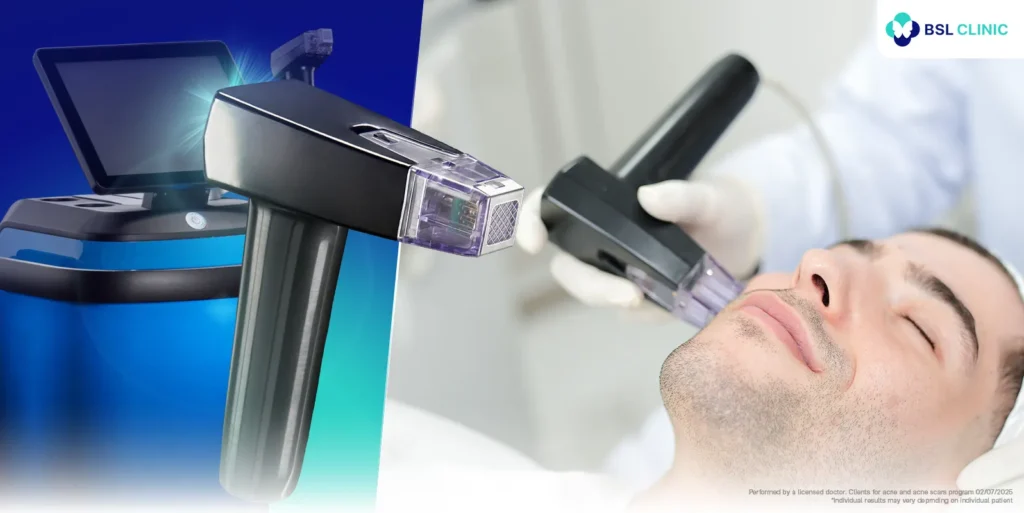
Morpheus8 Program combines microneedling with radiofrequency (RF) energy to deliver controlled energy beneath the skin. This promotes collagen remodeling, which can help improve atrophic acne scars and uneven skin texture.⁵
- Microneedling → delivers treatment at selected depths
- RF energy → provides controlled thermal stimulation
- Collagen remodeling → help improve depressed scars and uneven texture
Every Skin Has A Story: Acne Care At BSL Clinic
Acne may look similar on the surface, but every patient experiences it differently. For some, it is years of breakouts that keep coming back. For others, it is the marks acne leaves behind—or the way their skin begins to affect their confidence.
Here are some of the experiences shared by patients during their acne treatment journeys at BSL Clinic.
*Individual results may vary depending on individual patient
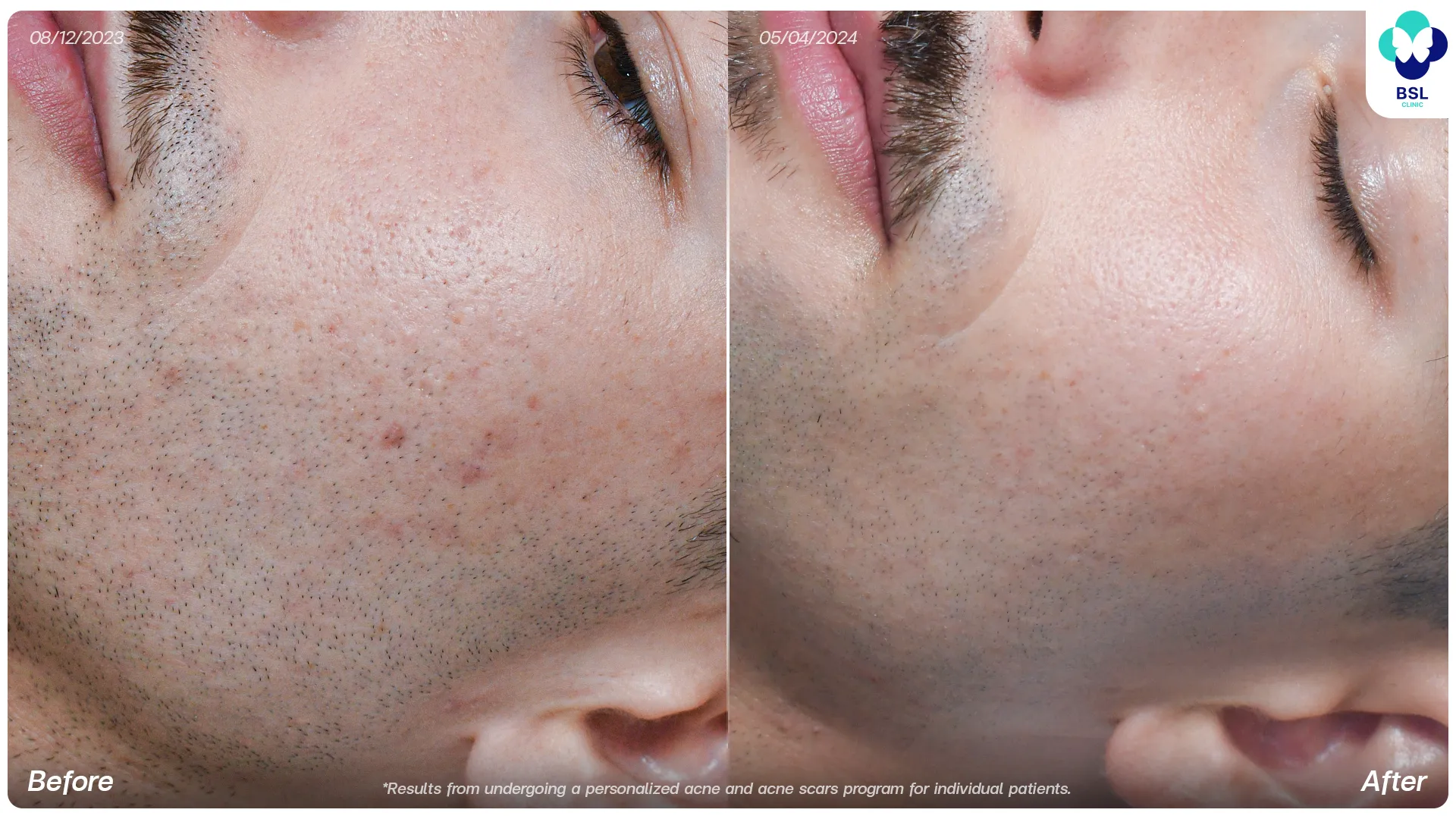
Even mild acne can become frustrating when it keeps coming back. After dealing with recurring breakouts for around eight years and trying to manage them himself, Mr. Ugo decided to visit the BSL Clinic. He says he noticed a difference from his first treatment, with his skin continuing to improve at each visit.
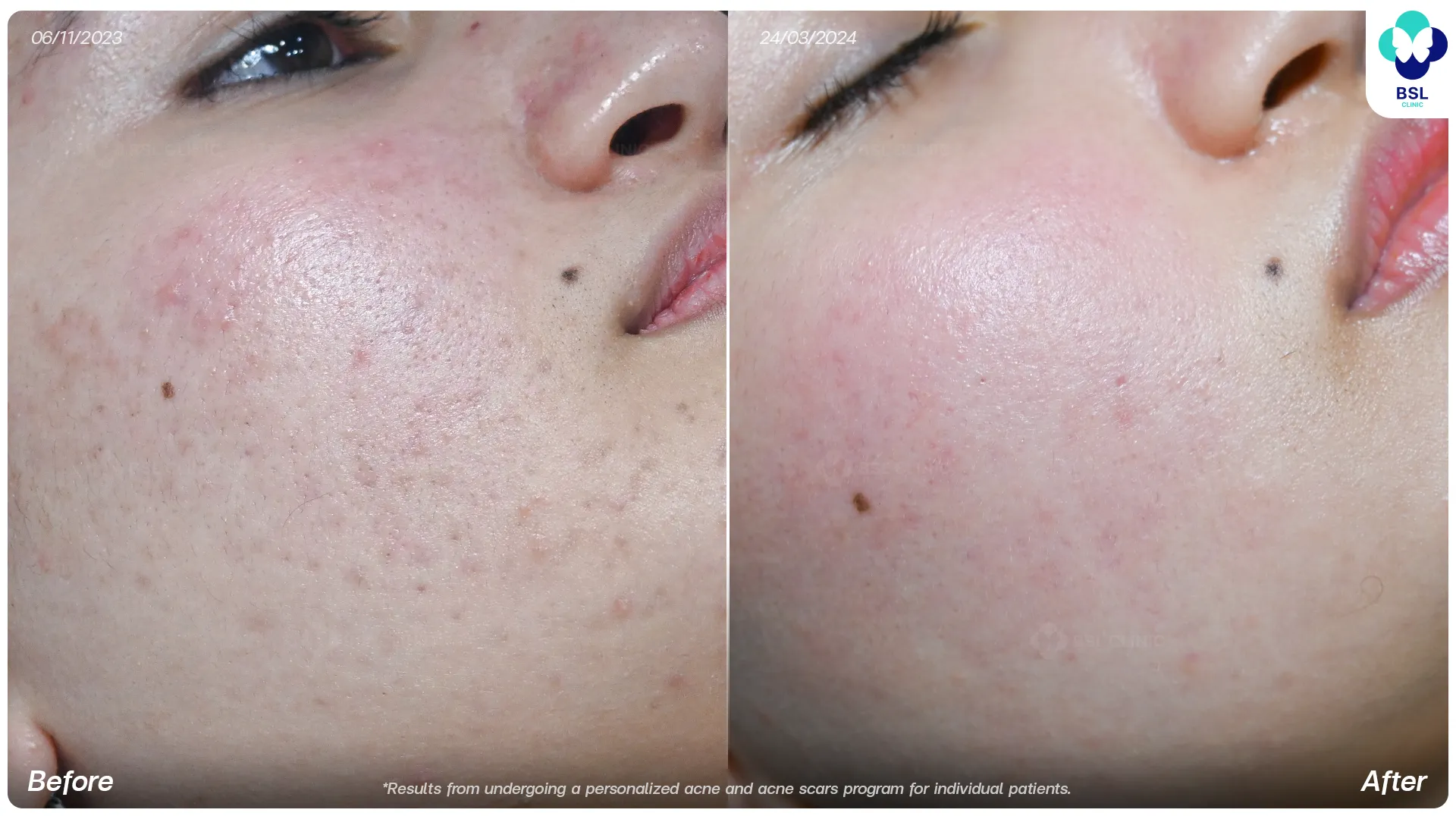
For Ms. Sariya, acne affected more than her skin—it affected her confidence around friends and even while singing. She says she noticed a change from her first treatment at BSL Clinic, and as her skin improved, she began to feel more comfortable and confident again.
*Individual results may vary depending on individual patient
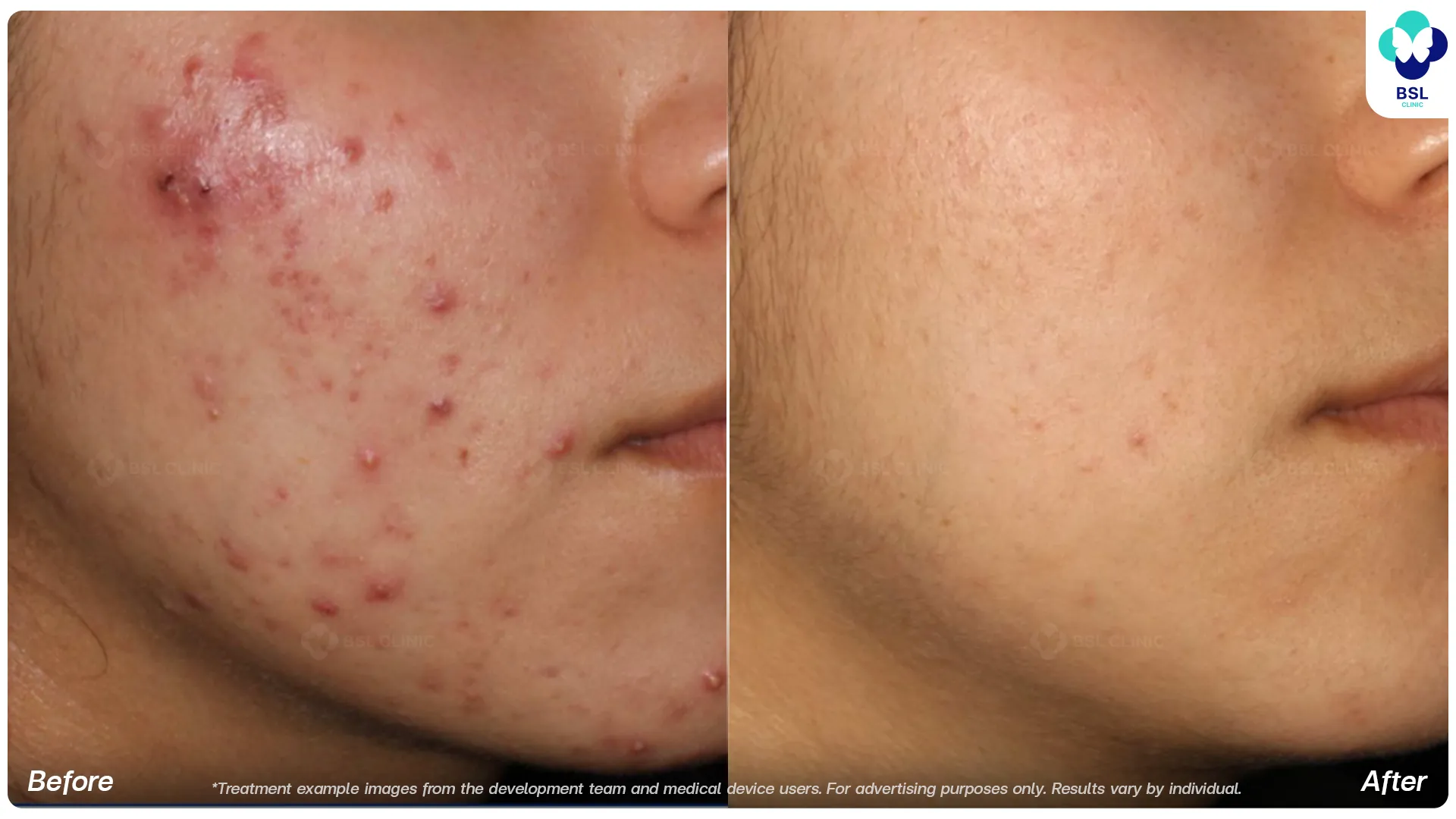
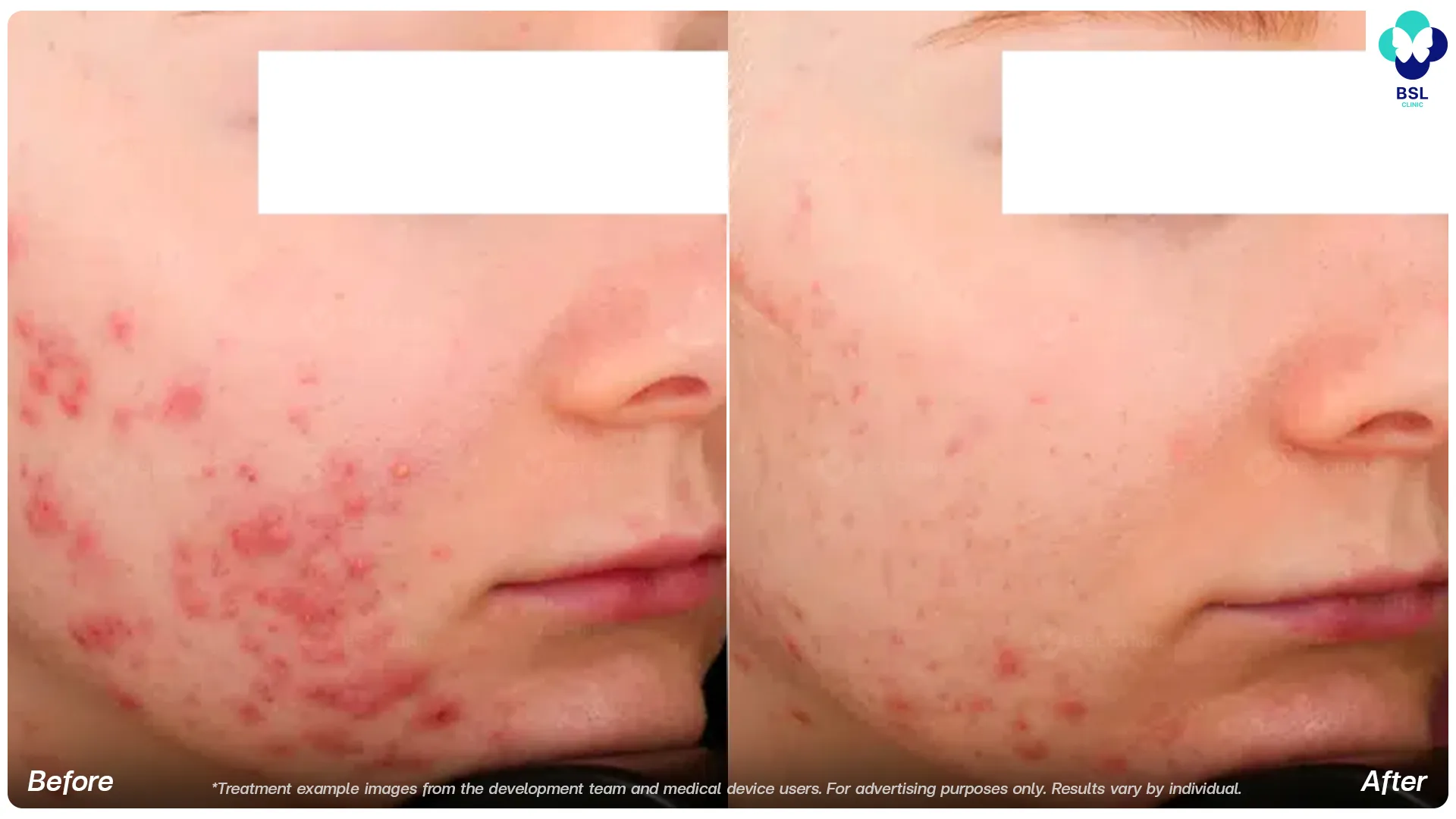
BSL Acne Care Real Results
Frequently Asked Questions About Acne Treatment
Blackheads and whiteheads are clogged pores, while papules, pustules, nodules, and cysts are forms of inflammatory acne. Many people have more than one type at the same time.
There is no single acne treatment that is right for everyone. The right approach depends on your acne type, severity, skin condition, treatment history, and risk of scarring.
Yes. Treatment can be planned around the time you have in Bangkok, depending on your acne, skin condition, and appropriate treatment options. You don’t necessarily need to complete your entire acne treatment journey in one visit.
Yes. Remote follow-up with BSL Clinic can continue after you return home, allowing your progress to be reviewed and the next steps discussed when appropriate.
Consider seeing a doctor if your acne is persistent, painful, deep, leaving scars, or not improving with your current routine. Earlier assessment is particularly important when acne becomes more inflammatory or begins to leave scars.
Yes. Acne can return because the factors contributing to breakouts can continue over time. Follow-up and maintenance are based on your acne pattern and response.
Treatment time varies by approach. For Accure Laser Program, one clinical treatment course includes 4 sessions, spaced about 1 month apart, with results assessed 6 months after the fourth treatment.⁷
Acne marks affect skin color, while acne scars affect skin texture. Marks appear red or dark, while scars are indented or raised.
Sometimes. It depends on the severity of active acne, scar type, skin condition, and treatments being considered. In some cases, controlling active acne is often prioritized before—or alongside—acne scar treatment.
Starting appropriate acne treatment earlier helps control inflammation and reduce the risk of acne scarring, particularly when acne is deep or inflammatory.
Not necessarily. Different laser and energy-based treatments target different factors involved in acne. Whether laser treatment is appropriate depends on your acne type, severity, skin condition, and treatment history.
Yes. Laser treatment can be suitable for darker skin tones when the laser and settings are carefully selected to minimize the risk of pigmentation changes.
Latest Insights In Acne Treatment
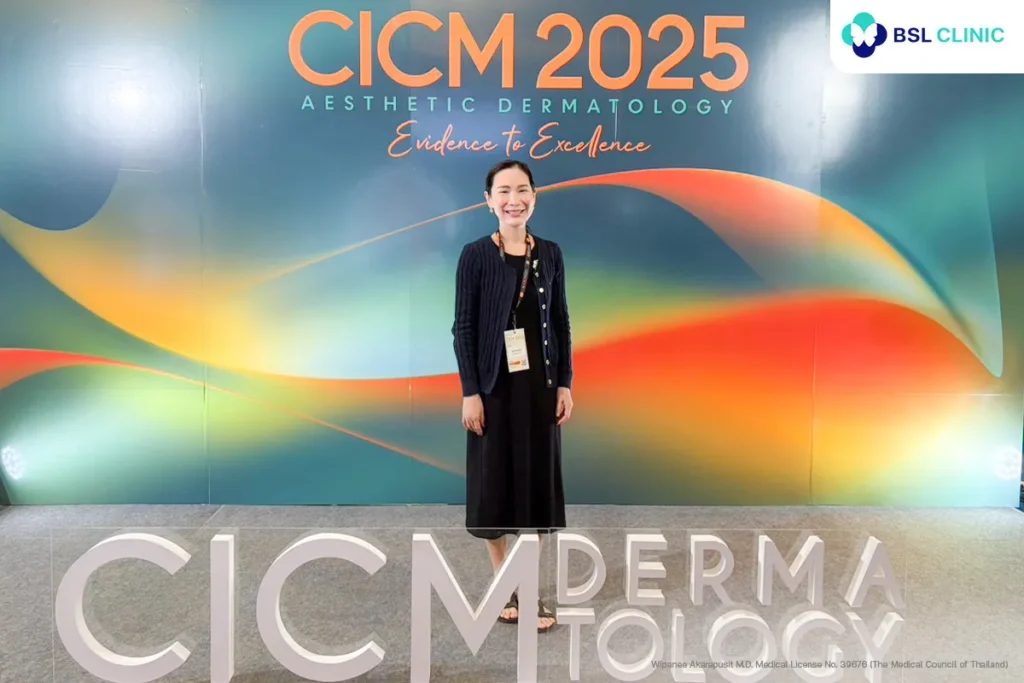
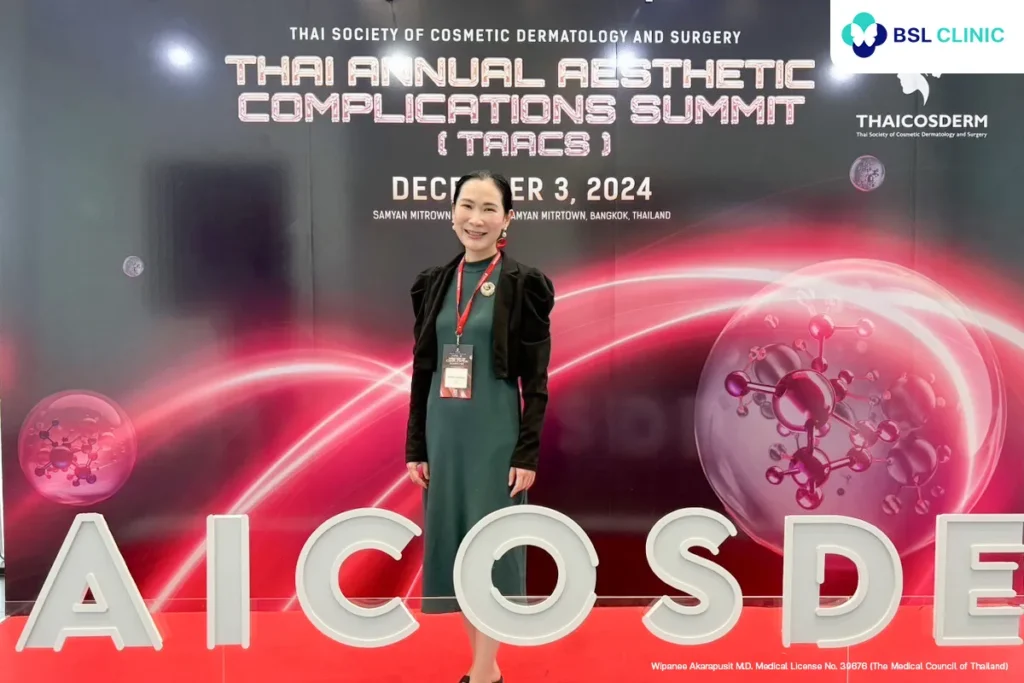
Dr. Wipanee, representing BSL, provided an update on knowledge trends with in-depth insights into skin care from CICM 2025, bringing them back to further develop treatment methods for our clients.
CICM 2025 Aesthetic Dermatology: Evidence-Based Medicine is an annual event that BSL doctors never miss, in order to stay updated with knowledge and research on dermatological treatments — including acne, melasma, freckles, hair loss, and scalp issues — as well as aesthetic procedures such as facial, neck, and body skin tightening, weight loss, and body contouring, all aimed at achieving healthy and youthful-looking skin.
How can we keep the skin looking younger as we age?
The next step in skin care — updating beauty trends for better treatment outcomes.
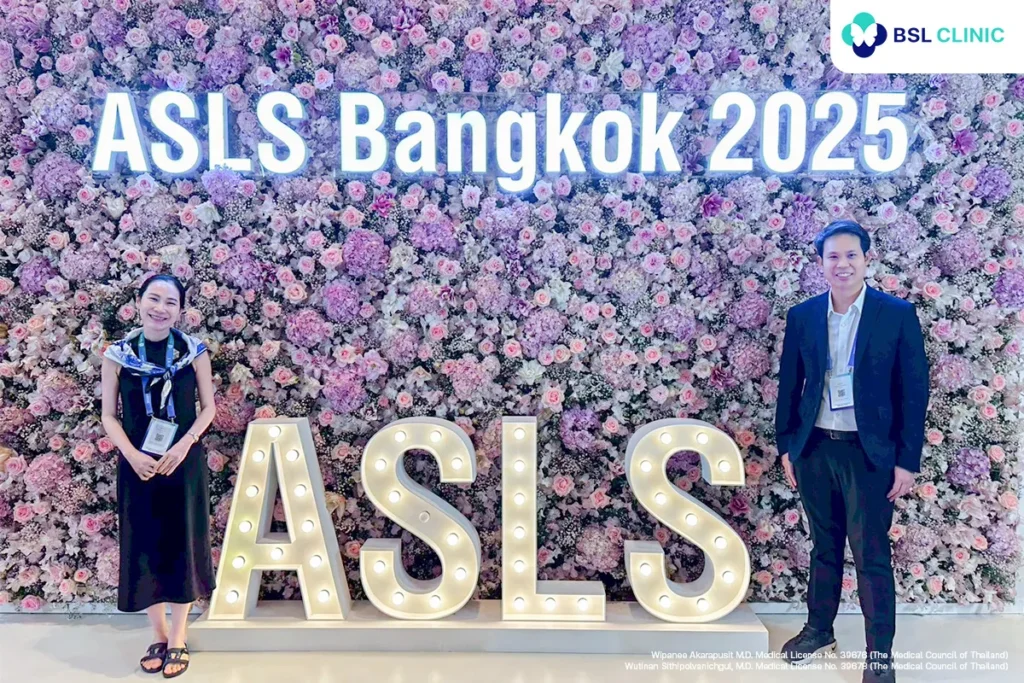
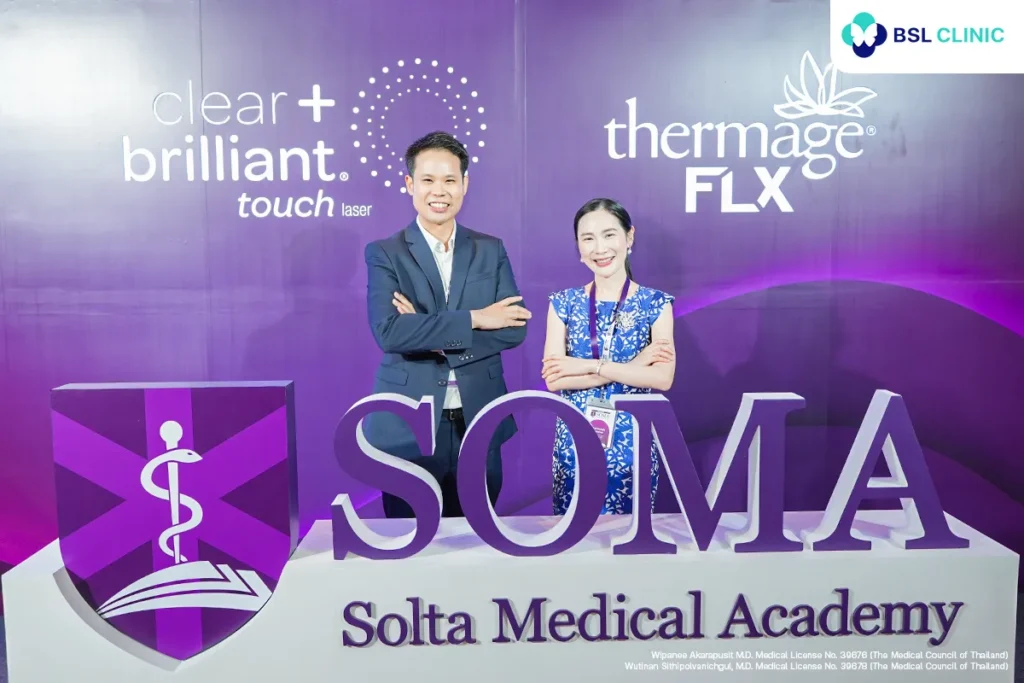
Dr. Wipanee and Dr. Wutthinan, representing BSL, attended ASLS Bangkok 2025 to bring back knowledge and design treatment approaches that help improve skin health as we age — when the skin becomes thinner, drier, uneven in tone, slower to recover, and more prone to wrinkles.
At BSL, we design skin rejuvenation approaches to strengthen the skin, restore moisture, and maintain a youthful appearance, helping you achieve healthier skin with confidence.
BSL Clinic Participates in Academic Conference Presentation
A stage that brings together dermatology and aesthetic medicine practitioners from various countries to exchange knowledge and experiences in skin care.
Dr. Wipanee Akkaraphusit (Medical License No. 39676) joined as a speaker, presenting on topics that reflect real experiences in patient care, while sharing holistic treatment approaches that emphasize “personalized understanding,” one of the key principles of modern aesthetic medicine.
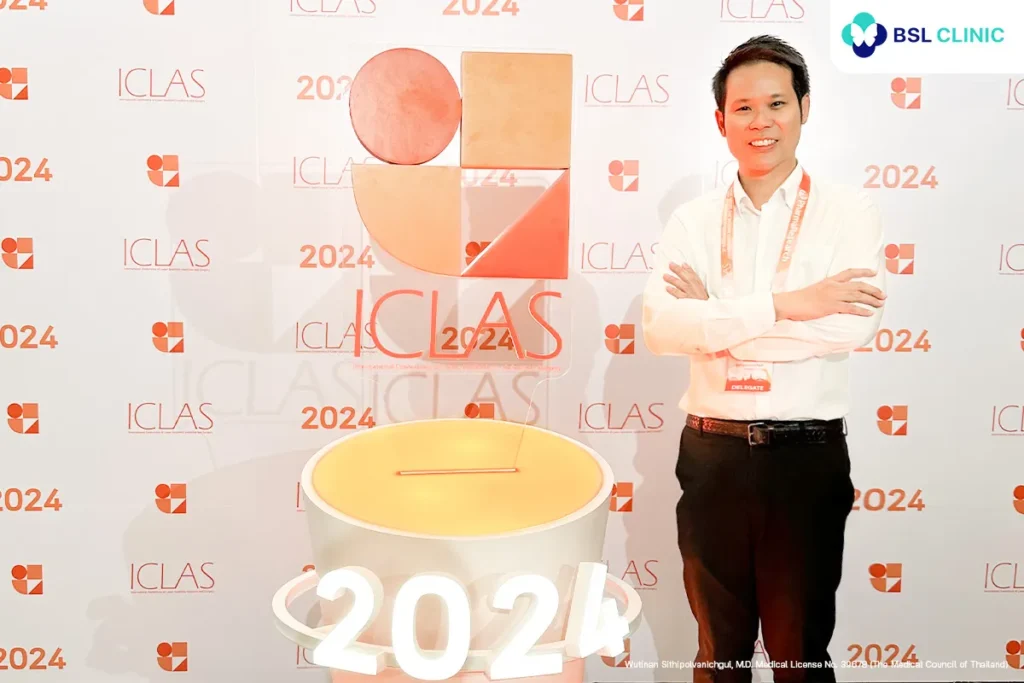
BSL doctors joined to update treatment methods for acne scars, melasma, freckles, skin tightening, filler programs and laser technology at the 3rd International Conference of Laser, Aesthetic Medicine and Surgery (ICLAS) in order to develop new knowledge and various treatment techniques to achieve results that are suitable for each patient.
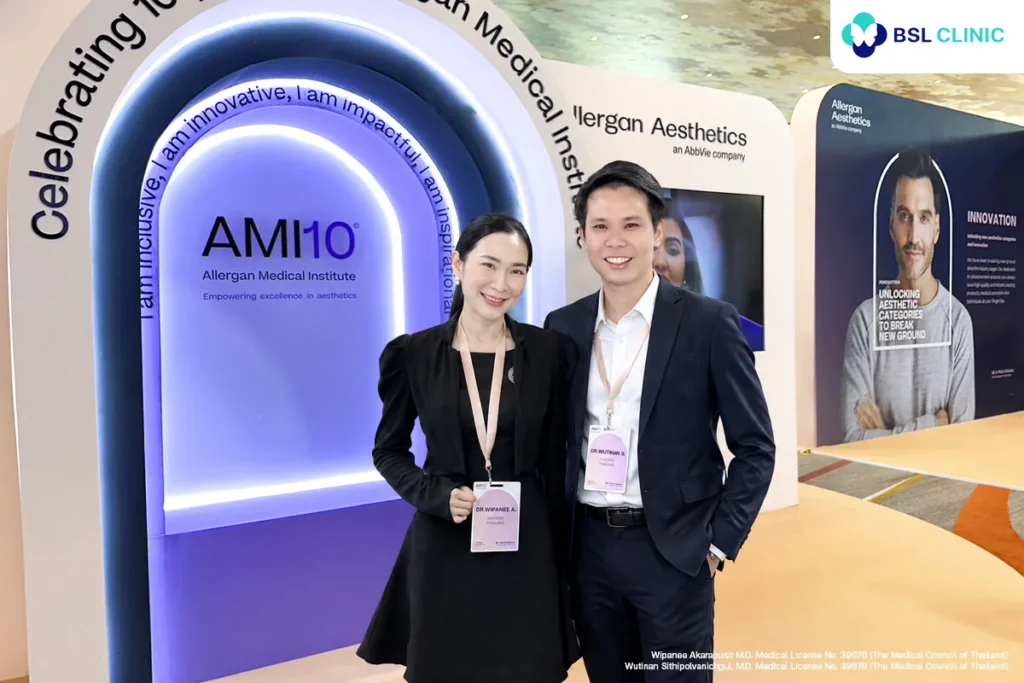
BSL Clinic participated in the Allergan Medical Institute 10 Years Anniversary event held at ICONSIAM, Thailand. The event served as a platform for exchanging perspectives on filler injection programs, along with updates on aesthetic directions in the Asia-Pacific region. This was a space where doctors from many countries came together to share knowledge and practical techniques, enabling interested individuals to understand approaches to wrinkle care, deep lines, and facial contouring, in ways suitable for each person.
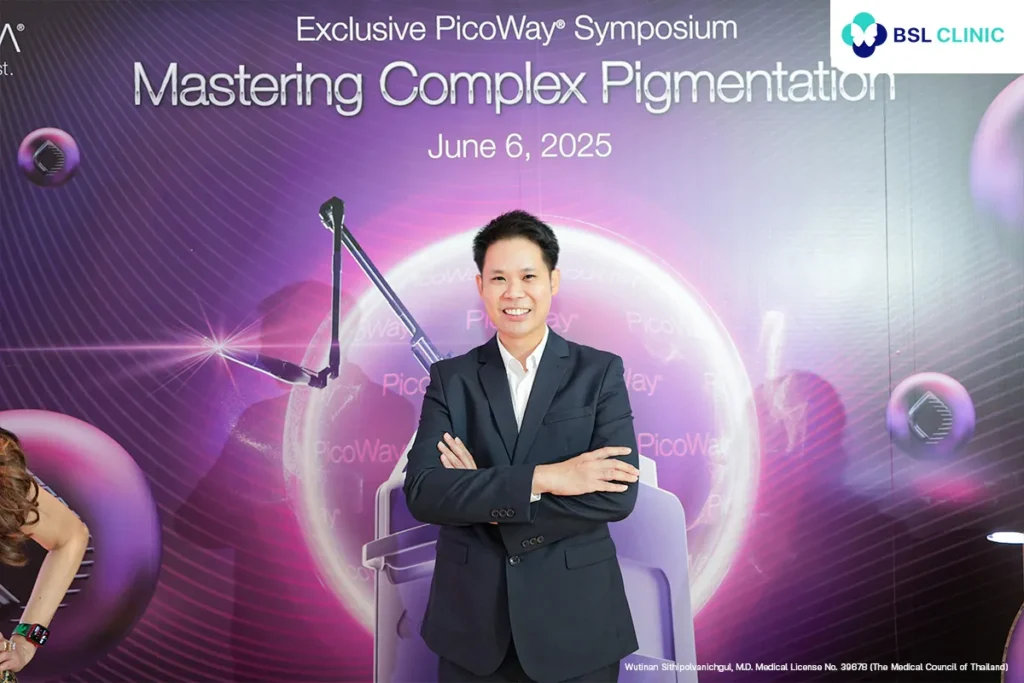
BSL Clinic had the honor to attend the Exclusive PicoWay® Symposium: Mastering Complex Pigmentation, with Dr. Wutthinan Sithipolvanichgul (Medical Council No. 39678) updating knowledge on the PicoWay® Program and approaches to managing skin pigmentation issues such as melasma, freckles, and uneven skin tone, while exchanging perspectives with doctors from various countries to find approaches suitable for each individual.
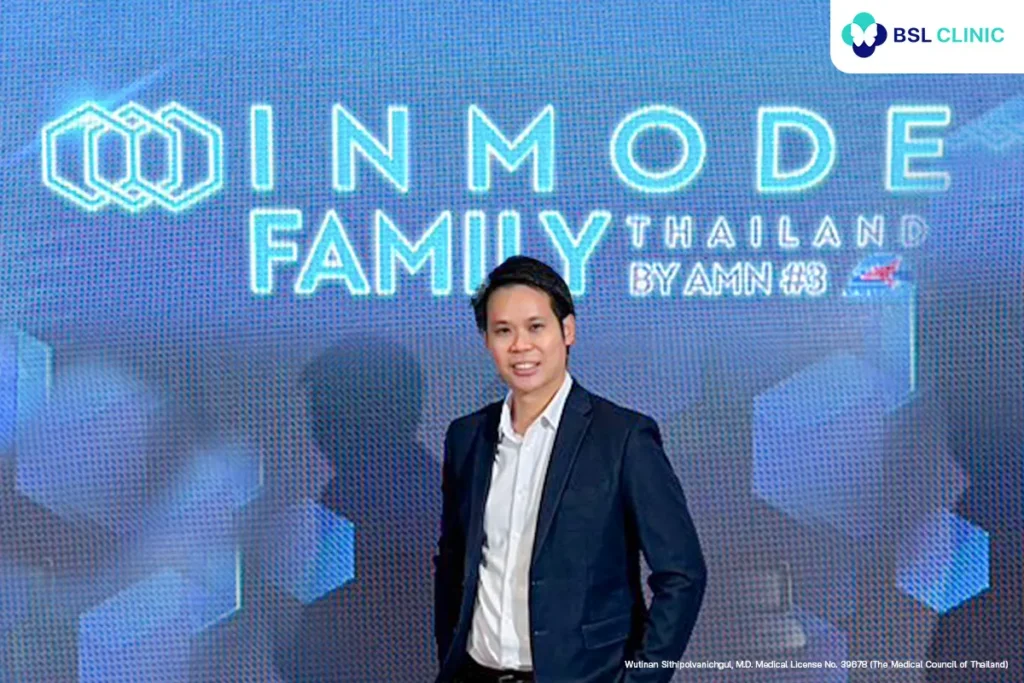
Dr. Wutthinan participated in the InMode Family Thailand by AMN, the 3rd time. This event was an opportunity to exchange knowledge on the use of the Morpheus8 program, which is one of the options for skin care using radiofrequency energy. BSL Clinic applies this program to address facial contouring and wrinkles, with doctors designing treatments suitable for each individual’s skin condition.
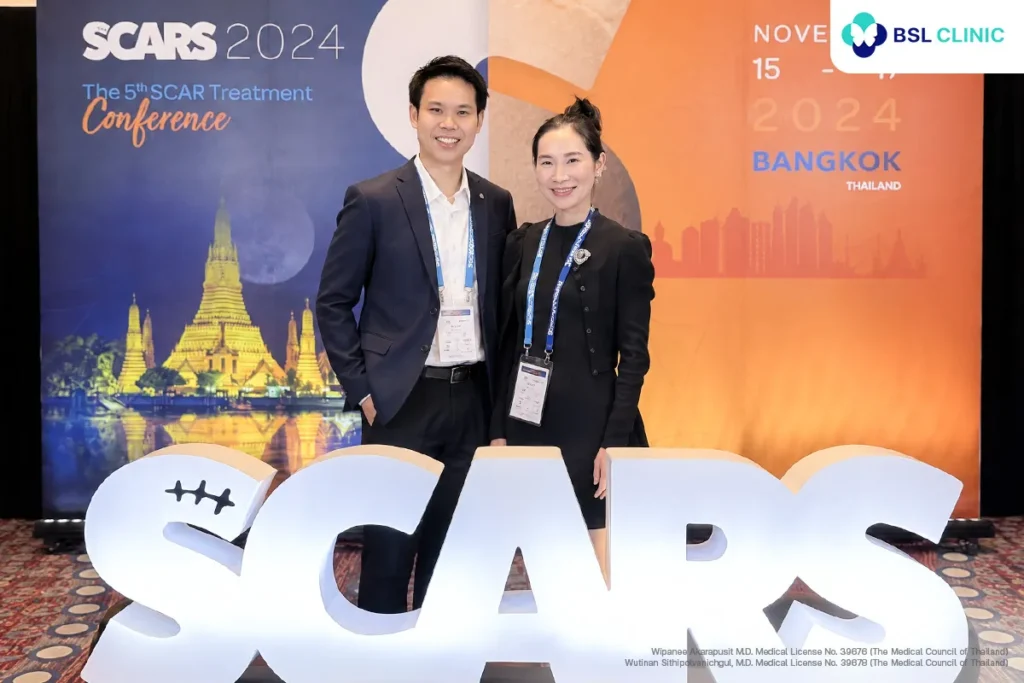
Doctors from BSL Clinic participated in the 5th SCAR Treatment Conference 2024, a platform for exchanging knowledge on scar care. The conference featured presentations of laboratory research data along with updates on laser technology and current treatment approaches, as well as the integration of various treatment methods for appropriate patient care.
To develop approaches in skin care tailored to individual causes, laser technology that has been studied and applied in many countries is now available at BSL Clinic.
At the conference, the Laser Toning technique (PTP mode, 1,064 nm Q-Switched Nd:YAG) was presented, referencing a study published in the Journal of Cosmetic and Laser Therapy. It was found that this type of laser has been applied in managing pigmentation related to melasma, with reports of skin characteristic changes in treated patients¹. These studies provide the medical team with scientific information to support care planning, considering the causes and suitability for each individual.
This learning covers knowledge in health promotion, disease prevention, and chronic condition management, with a focus on holistic health care from the level of genes, environment, and lifestyle behaviors. BSL doctors will apply the knowledge gained to consider and plan appropriate health and skin care for each individual client.
Doctors participated in a national academic conference to exchange knowledge in the treatment of dermatological and aesthetic issues. This conference emphasized methods of care, prevention, and the management of possible complications from treatments, enabling doctors to apply the information in planning care appropriate for each individual.

Wutinan Sithipolvanichgul M.D.
Medical License No. 39678 BSL Clinic, Bangkok
-
- Cruz S, Vecerek N, Elbuluk N. Targeting inflammation in acne: current treatments and future prospects. Am J Clin Dermatol. 2023;24(5):681-694. doi:10.1007/s40257-023-00789-1
- Reynolds RV, Yeung H, Cheng CE, et al. Guidelines of care for the management of acne vulgaris. J Am Acad Dermatol. 2024;90(5):1006.e1-1006.e30. doi:10.1016/j.jaad.2023.12.017
- Goldberg DJ, Andriessen A, Bhatia AC, et al. Treatment of mild to severe acne with 1726 nm laser: a safe alternative to traditional acne therapies. J Cosmet Dermatol. 2023;22(11):3026-3032. doi:10.1111/jocd.15964
- Friedman PM, Dover JS, Chapas A, et al. 1,550 nm erbium-doped and 1,927 nm thulium nonablative fractional laser system: best practices and treatment setting recommendations. Dermatol Surg. 2022;48(2):195-200. doi:10.1097/DSS.0000000000003321
- Hamadani F, Vranis NM. The role of fractional radiofrequency in long-term acne remission and reduction of acne scar load. Aesthet Surg J. 2025;45(suppl 1):S23-S31. doi:10.1093/asj/sjae150
- Cutera, Inc. The Reality of Acne: Missed Moments & Insecurities. Brisbane (CA): Cutera, Inc.; 2023. AP004017 (06/23).
- In IRB-approved studies, patients showed an average 70% reduction in acne lesions 6 months after 4 treatments, spaced 1 month apart. Data on file, Accure Acne, Inc. Individual results may vary.
- IRB 20203414 Study – (84%) standard mode – Data on file.
- IRB 20225675 Study – (95%) boost mode – Data on file.